
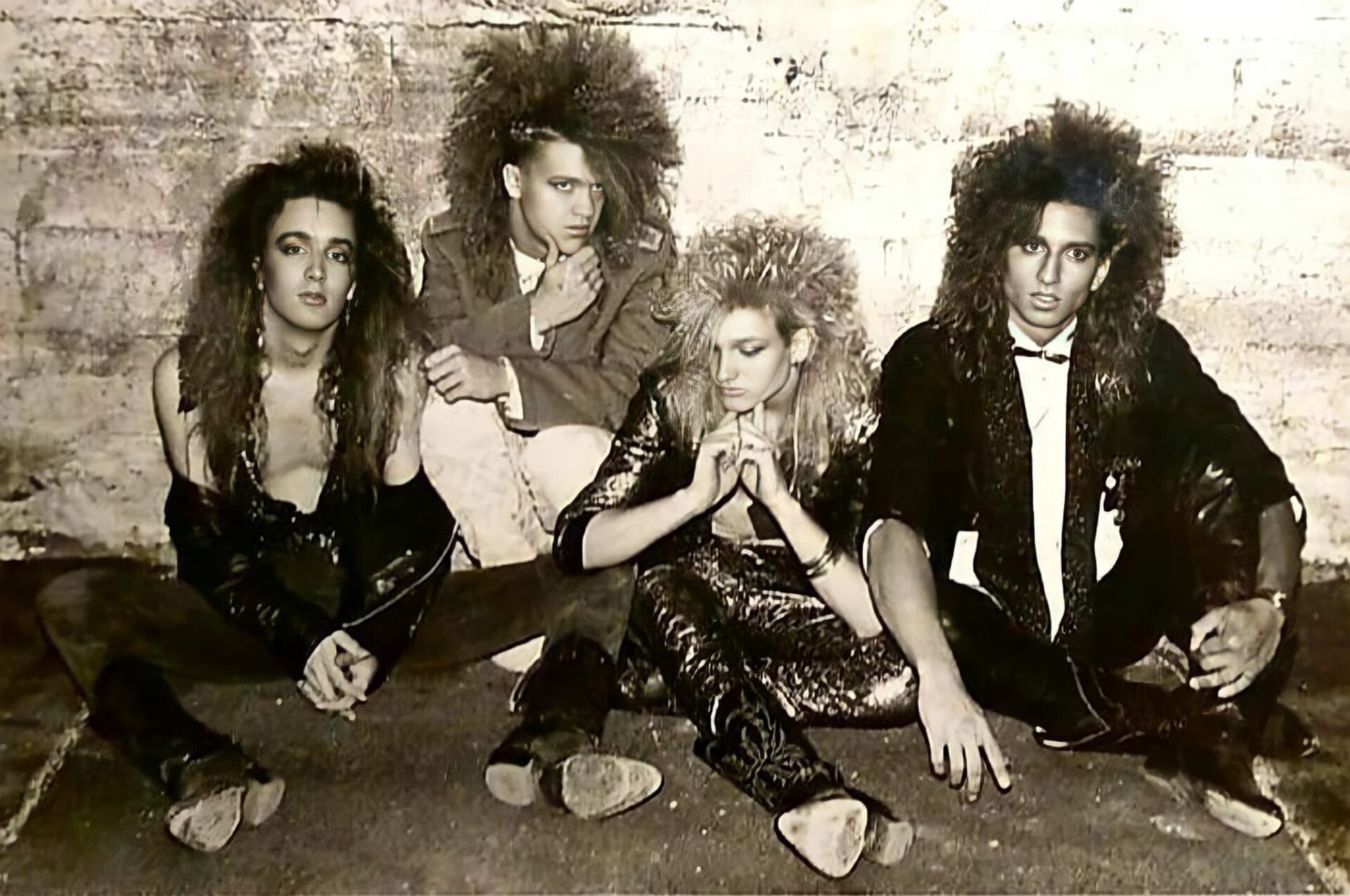
A voice that could split concrete and whisper a lullaby in the same breath belonged to a man who rarely left his Seattle apartment in his final years. Layne Staley, born August 22, 1967, fronted Alice in Chains, the band that dragged grunge into the shadows. While Nirvana and Pearl Jam became global symbols of the Seattle sound, Staley's band mined the city's underbelly: addiction, isolation, and a heaviness that felt less like music and more like a slow-motion collapse.
A voice that could split concrete and whisper a lullaby in the same breath belonged to a man who rarely left his Seattle apartment in his final years.
A voice unlike any other in Seattle
The contrast defined him. Alice in Chains emerged from the same Pacific Northwest scene but sounded nothing like their peers' ragged, punk-inflected anthems. Their debut album Facelift arrived in 1990, and the single 'Man in the Box' became an MTV staple, its riff a grinding, metallic stomp. Staley's vocals on that track alternated between a clean, almost angelic croon and a guttural, distorted roar that no other singer in the genre could match.
Before the fame, Staley had cut his teeth in a glam-metal outfit called Alice N' Chains, formed in 1987 with guitarist Jerry Cantrell. The name change and a sonic shift arrived quickly. By the time Dirt dropped in 1992, the band had perfected a sound that was equal parts sludge metal and confession booth. Songs like 'Would?' and 'Rooster' dealt with addiction and inherited trauma, and Staley's lyrics—often co-written with Cantrell—read like diary entries from a man already losing a war with himself.
The staggering success and sudden silence
The success was staggering. The acoustic EP Jar of Flies debuted at number one on the Billboard 200 in 1994, a first for the format. But Staley's heroin use had already begun to unravel the band's momentum. Alice in Chains pulled out of a tour with Metallica, and by the mid-1990s, the group's live activity ground to a halt. Their last concert with Staley took place on July 3, 1996, in Kansas City. After that, silence.
In the interim, Staley found a brief creative outlet with the supergroup Mad Season, which also included Pearl Jam guitarist Mike McCready and Screaming Trees drummer Barrett Martin. The project's only album, Above, released in 1995, captured Staley at his most vulnerable, trading the metallic crunch of Alice in Chains for bluesy, late-night introspection. It remains a haunting document of a man trying to outrun his demons through music.
Retreat into a world of his own
The band's self-titled 1995 album, often called 'Tripod' for the three-legged dog on its cover, would be Staley's final studio work with Alice in Chains. After 1996, he became increasingly reclusive, rarely leaving his Seattle apartment. Friends and bandmates struggled to reach him. The man who once commanded festival crowds at Lollapalooza in 1993 had retreated into a world of his own making, where the only audience was the mirror.
On April 19, 2002, Staley's body was discovered in his apartment. He had died approximately two weeks earlier from a speedball overdose—a mixture of heroin and cocaine. He was 34 years old. The date of his death, April 5, coincided with the eighth anniversary of Kurt Cobain's suicide, another grim symmetry in a scene that had already buried too many of its brightest flames.
The aftermath was prolonged. Jerry Cantrell dedicated his 2002 album Degradation Trip to Staley's memory. Metallica and Pearl Jam publicly mourned. Alice in Chains remained dormant until 2006, when the surviving members reunited with vocalist William DuVall. The new lineup honored the old catalog, but the void left by Staley's voice—that blend of belting power and hoarse fragility—could never be filled.
Staley's influence on later rock and metal bands is immense, and he is often cited among the greatest rock vocalists in history. His lyrics about pain, isolation, and death now read as premonitions. In 1998, he recorded a cover of Pink Floyd's 'Another Brick in the Wall' for the film The Faculty, one of his last studio sessions. It was a fitting coda: a voice from behind the wall, still singing.