
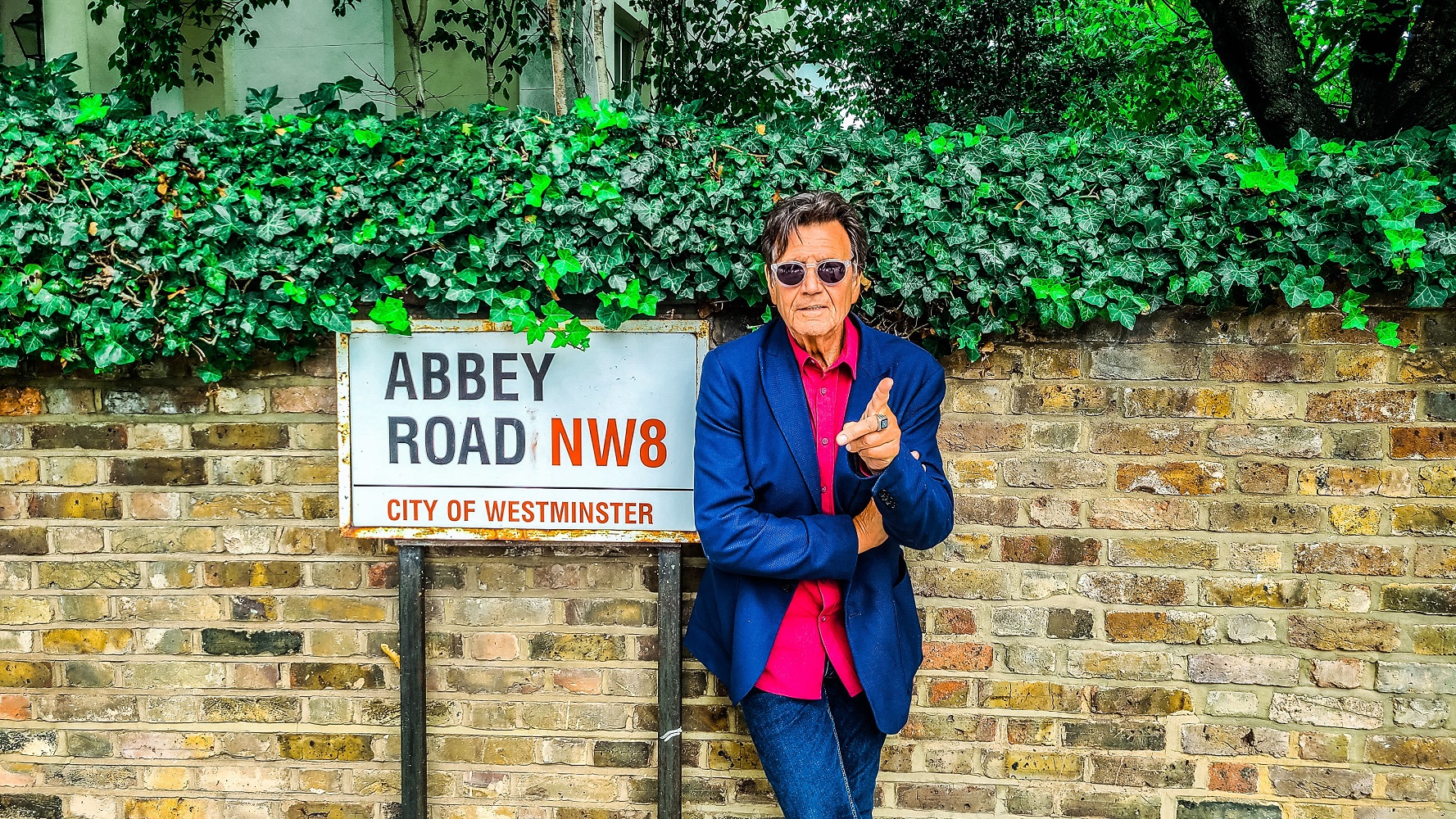
A teenager flips through a Liverpool phone book, hunting for a surname that sounds like a star. William Howard Ashton picks 'Kramer' almost at random, and Brian Epstein adds the first two names. Billy J. Kramer is born on 19 August 1943, and by the early 1960s he becomes one of the leading Merseybeat performers outside The Beatles.
From the Cavern to a record deal
Kramer starts his musical career in Liverpool's Cavern club, the same sweaty basement that incubates the city's most famous quartet. His soft, melodic vocal style stands out among the beat groups. Epstein, already managing The Beatles, signs Kramer and pairs him with The Dakotas, an instrumental group from Manchester.
The first single is a gift from Lennon and McCartney: 'Do You Want to Know a Secret', a song The Beatles themselves recorded but never released as a single. Kramer's version reaches number two on the British chart in 1963. George Martin produces the record, the same producer shaping The Beatles' early sound.
Lennon and McCartney's gift of hits
John Lennon writes 'Bad to Me' specifically for Kramer. It becomes his second single and goes straight to number one in Britain. The song's chiming guitar and Kramer's gentle delivery define the Merseybeat formula. A third single, 'I'll Keep You Satisfied', climbs to number four, and 'From a Window' reaches number ten.
Kramer and The Dakotas release several successful singles in 1963–1964. Their cover of 'Little Children' crosses the Atlantic and peaks at number seven on the Billboard Hot 100. In 1964, they tour the United States with The Beatles, opening for the band during its first North American tour.
The fading of the Merseybeat wave
The connection to The Beatles runs deep. Kramer records 'I Call Your Name', a Lennon–McCartney song The Beatles later release themselves. He also cuts 'Trains and Boats and Planes' by Burt Bacharach, which reaches number twelve in Britain in 1965. By then, the Merseybeat wave is fading.
After 1965, Kramer's popularity declines. He keeps performing and recording, but the hits stop coming. He appears in music films like 'Pop Gear' in 1965, yet the charts move on. In the 1980s, he reunites with The Dakotas for nostalgia tours, playing the old songs to audiences who remember the Cavern days.
A Hall of Fame legacy
Kramer writes an autobiography about his career and his relationship with The Beatles. In 2005, he is inducted into the Rock and Roll Hall of Fame in the solo performers category. He continues touring through the 2000s and 2010s, his voice softer but still recognisable.
Billy J. Kramer dies on 4 January 2021 from pneumonia at the age of 77. He leaves behind a legacy as one of the most successful Merseybeat artists after The Beatles. His early singles, produced by George Martin and written by Lennon and McCartney, remain the purest expression of that Liverpool sound.
His early singles, produced by George Martin and written by Lennon and McCartney, remain the purest expression of that Liverpool sound.
The phone book choice turned out to be fate. William Howard Ashton became Billy J. Kramer, a name that once shared the stage with The Beatles and now sits in the Rock and Roll Hall of Fame. His records still spin in clubs and living rooms, a reminder of a time when four lads from Liverpool changed everything.