
A drug addict covers a Bob Marley song, turns it into the biggest solo single of his career, and suddenly a quiet Florida beach house becomes a landmark. That paradox sits at the center of Eric Clapton’s 461 Ocean Boulevard, which began a four-week reign atop the Billboard 200 on August 17, 1974. The album didn’t just reintroduce a guitarist who had vanished into heroin’s grip — it gave his resurrection a street number.
A sober return in Golden Beach
The address belonged to a home in Golden Beach, Florida, just outside Miami, where Clapton lived during the sessions. Criteria Studios became the workshop, with producer Tom Dowd shaping a record that would sound nothing like the searing blues-rock of Derek and the Dominos. Dowd, an Atlantic Records veteran, understood the delicacy of the assignment: the musician walking through the door in April 1974 was a man fresh out of addiction treatment who hadn’t made a solo statement in years.
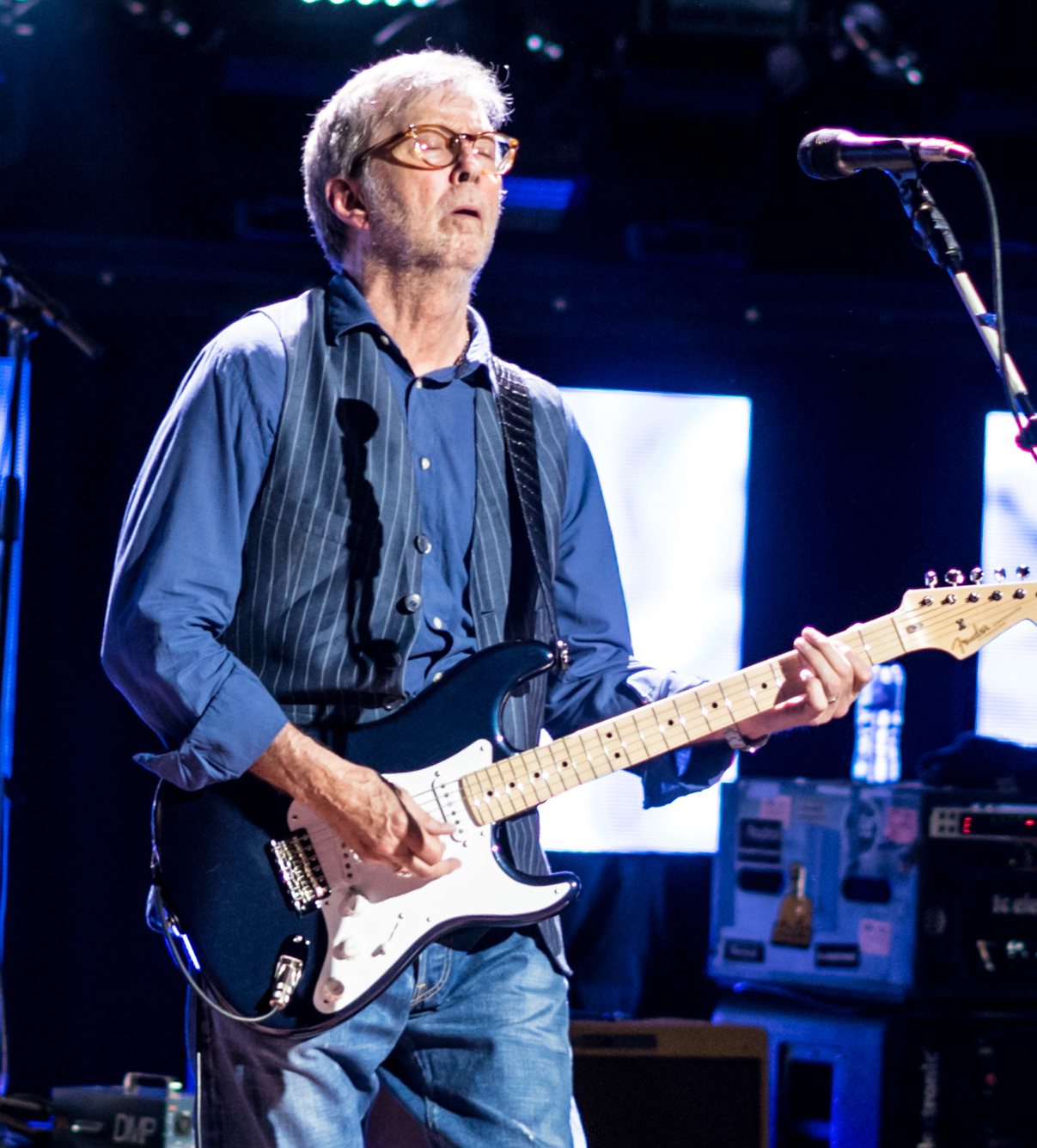
The band Dowd assembled included bassist Carl Radle, drummer Jamie Oldaker, keyboardist Dick Sims, and guitarist George Terry. Yvonne Elliman contributed backing vocals, a presence that would launch her own solo career. Clapton himself arrived with a Fender Stratocaster, the instrument that would come to define his mid-70s tone. The group settled into a groove that drew on reggae, blues, and rock — a deliberate pivot away from the extended jams of his past.
The reggae cover that topped the charts
The most startling choice was “I Shot the Sheriff.” Bob Marley’s original had barely registered outside Jamaica, but Clapton’s version transformed the song into something sleek and radio-ready. The single shot to number one on the Billboard Hot 100, a peak Clapton never reached again as a solo artist. That a white English guitarist delivered Marley’s outlaw narrative to mainstream America remains one of the stranger transactions in pop history.
RSO Records released the album in July 1974, and the response was immediate. It hit number three in the UK and earned platinum certification in the United States. Critics received it warmly, recognizing a musician who had traded the pyrotechnics of Cream and the anguish of Derek and the Dominos for something more measured. The eclecticism wasn’t a retreat — it was evidence that Clapton could build songs rather than just detonate them.
Restraint as a new kind of power
Among the original material, “Let It Grow” stood out as a Clapton composition that carried emotional weight without collapsing under it. The album also dipped into Johnny Otis territory with “Willie and the Hand Jive,” a cover that reinforced the record’s stylistic restlessness. Clapton was no longer the tortured virtuoso. He sounded like a bandleader discovering that restraint could be its own kind of power.
The house on the cover became inseparable from the music. Fans made pilgrimages to the address, turning a private residence into an unexpected tourist attraction. The image of Clapton leaning against the wall, hair cropped short, carried none of the rock-god iconography of his earlier years. That ordinariness was the point. A man who had nearly destroyed himself was standing in sunlight, holding a guitar, sober.
The building didn’t survive. It was demolished sometime in the 1990s, erasing the physical landmark but cementing its myth. Clapton himself circled back to the title decades later, naming his autobiography after the address. The 2004 expanded reissue added bonus tracks, and multiple vinyl represses have kept the album in circulation. RSO’s original 1974 pressing remains the one that carries the weight of the moment.
Fifty-two years later, the record’s strangest legacy might be its geography. A comeback LP named after a rental house, fronted by a reggae cover, recorded by a newly sober guitarist in a Miami studio. The numbers tell part of the story: four weeks at number one, a platinum plaque, a chart-topping single. But the address is what lingers. 461 Ocean Boulevard wasn’t just where Clapton stayed — it was where he decided to stay alive.