
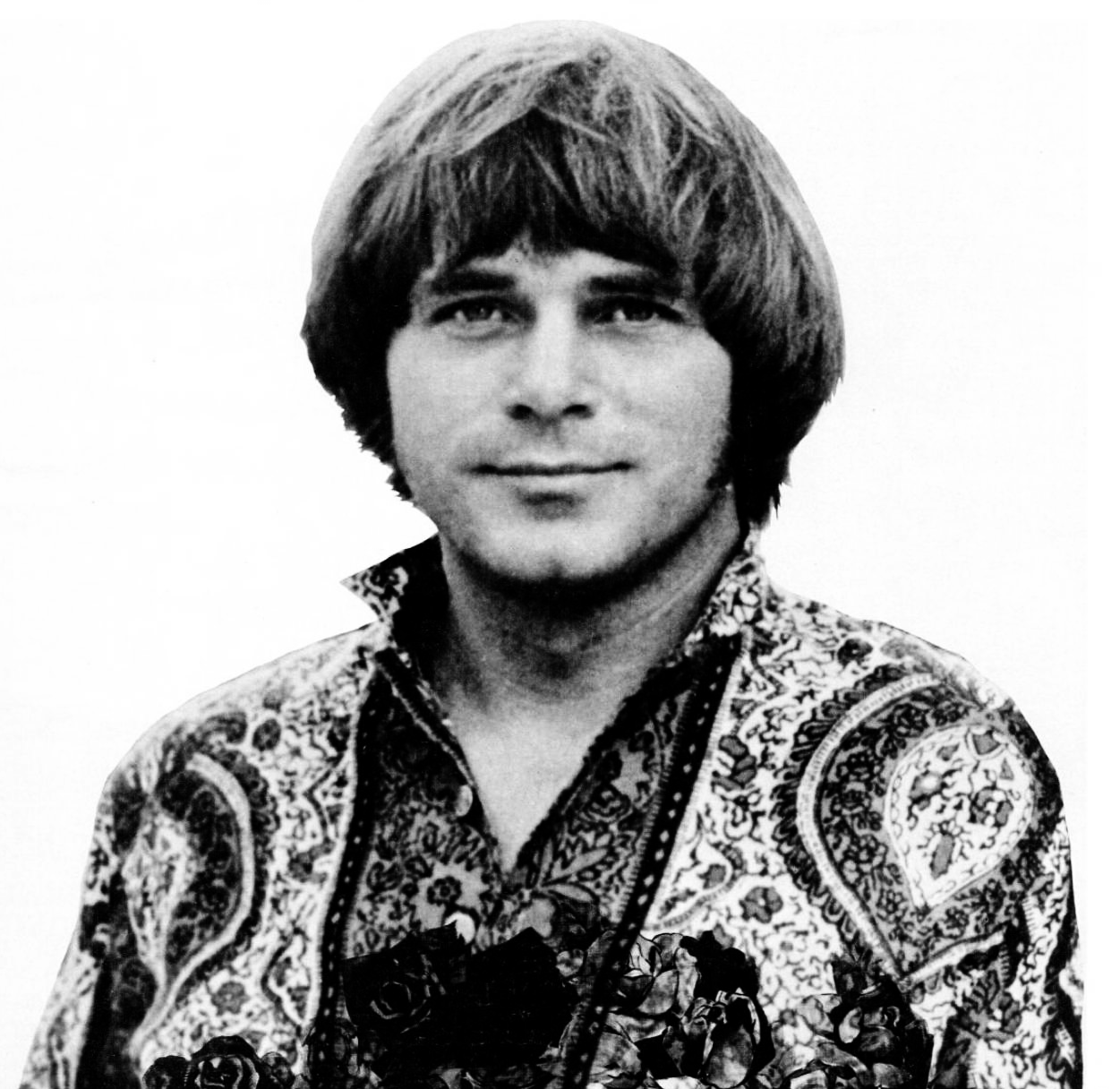
A Grammy for Song of the Year sits on the shelf, yet the man who earned it spent his final decades in the quiet machinery of music publishing, far from any stage. Joe South died fourteen years ago today, on September 5, 2012, in Flowery Branch, Georgia, leaving behind a catalog of songs that burrowed into the collective consciousness through other people's voices. His own name on a record sleeve never commanded the same recognition as the titles he penned, a strange fate for a writer whose work was inescapable on late-1960s radio.
Atlanta's studio apprenticeship
Born Joseph Alfred Souter in Atlanta on February 24, 1940, South cut his teeth in a city that was quietly building a music industry infrastructure. Atlanta wasn't Nashville or Memphis yet, but it had Bill Lowery, a publisher and radio personality who spotted something in the young guitarist and gave him an early foothold. That connection led South to the National Recording Corporation, where he became a staff guitarist alongside Ray Stevens and Jerry Reed, three future heavyweights grinding out sessions in the same room.
His first brush with the charts came in July 1958, a novelty record that spliced together two absurdist monsters of the era. The song was a parody riding the coattails of The Big Bopper's hit, and it cracked the top 50. But South didn't chase that novelty lane. By 1959 he was already writing for other artists, placing two songs with the singer Gene Vincent, and the trajectory was set: the pen would pay the bills, not the persona.
The invisible hand on landmark albums
What followed was a decade of near-invisibility at the center of the action. South became a first-call session guitarist in the 1960s, his playing woven into the fabric of albums that would define the decade. He was in the studio for Aretha Franklin's recordings, his guitar lines supporting that seismic voice. He played on Bob Dylan's 'Blonde on Blonde', a record that rewrote the rules of what a studio could capture. He was there for Simon & Garfunkel's 'The Sounds of Silence', a cornerstone of folk-rock's ascendance.
The paradox of Joe South is that his anonymity as a sideman was shattered by a song that explicitly called out the games people play. In 1969, 'Games People Play' climbed to number 12 on the charts, a cynical, organ-drenched takedown of hypocrisy and self-deception. The following year it won the Grammy for Song of the Year, and suddenly the session man from Atlanta had a voice and a platform. He was nominated again in 1972 for 'Rose Garden', a song that became a signature hit for Lynn Anderson.
His songwriting had a chameleon quality that made it disappear into the artist performing it. Deep Purple took 'Hush' and turned it into a hard-rock howl, a world away from South's country-folk sensibilities. Billy Joe Royal popularized 'Down in the Boondocks', a song about class and longing that sounded like it was born in the singer's own biography. South's gift was for crafting narratives that felt personal to whoever sang them, a kind of emotional ventriloquism that made him invaluable and invisible in equal measure.
Retreat into the machinery
By the mid-1970s, South stepped back from the front lines. The reasons were never packaged into a tidy narrative, but the output slowed, the sessions tapered off, and the man who had been everywhere in the 1960s receded into a different kind of work. He made a brief return to music in 1994, a temporary re-emergence that confirmed the spark was still there, but the industry had shifted and South seemed content to let it shift without him.
His later years were spent in the music publishing business, the unglamorous infrastructure of royalties and rights that keeps the whole machine running. He worked with The Manrando Group in Nashville and with Charlie Wayne Felts Promotions, where his cousin Narvel Felts held a place in the Rockabilly Hall of Fame and the Grand Ole Opry. South was back in the machinery, the same kind of behind-the-scenes role where he'd started at NRC decades earlier.
The symmetry is almost too neat: a career that began in the backrooms of Atlanta's recording studios ended in the backrooms of Nashville's publishing houses. Joe South's name never became a brand, but his songs became hits for Deep Purple, Lynn Anderson, and Billy Joe Royal, while his guitar work sat quietly inside landmark albums by Dylan, Aretha, and Simon & Garfunkel. The Grammy on the shelf was for a song about the games people play, and South played his own game with a rare kind of discipline: he let the work speak, even when it spoke in someone else's voice.