
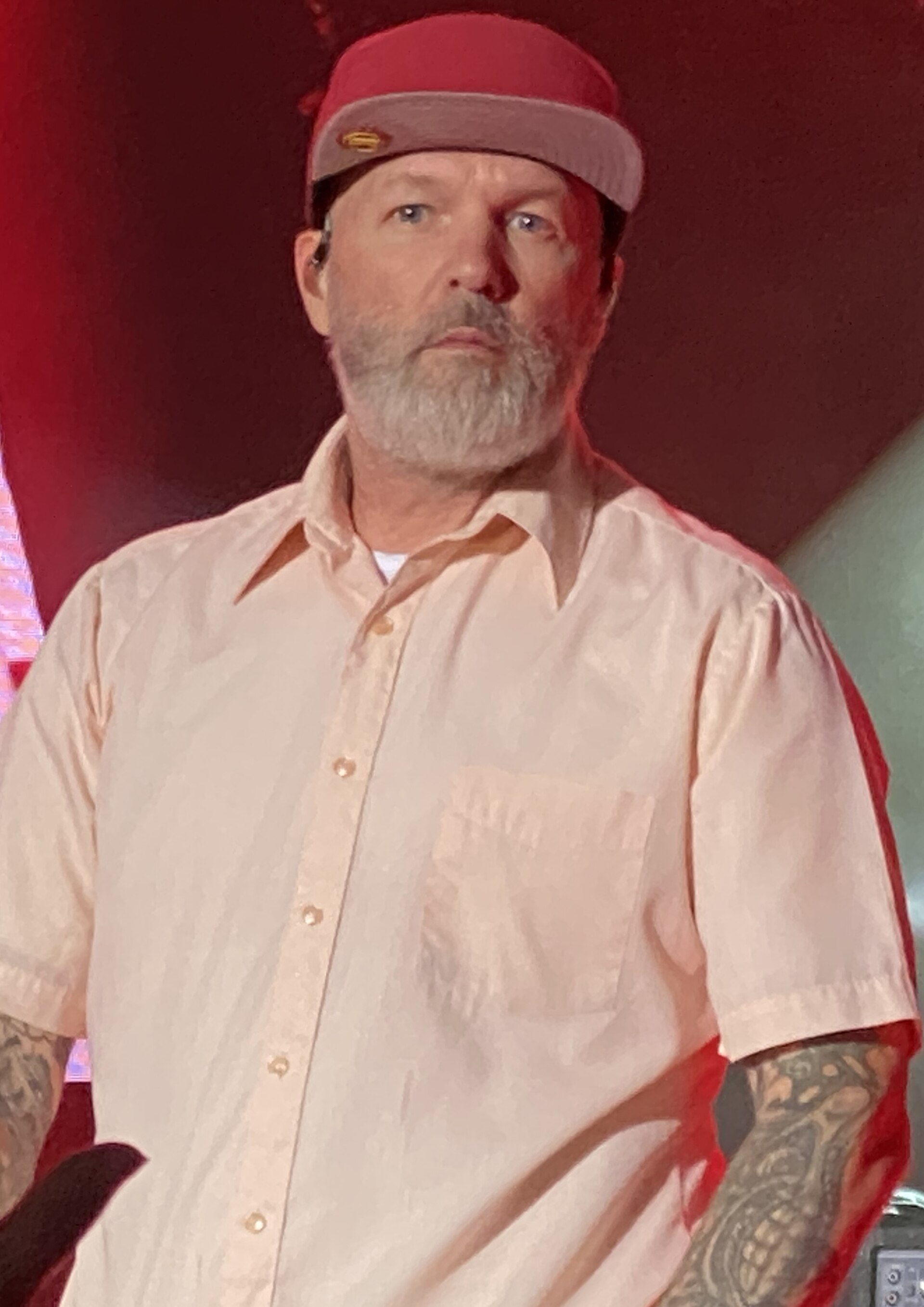
The CD tray on a late-90s Discman could get hot enough to warp the disc if you looped one track too long. That’s where Fred Durst lives — in the red-zone overheat of a portable player grinding through a bass drop that shouldn’t work but does. Born August 20, 1970, he became the voice of Limp Bizkit, a band that shoved metal, hip-hop, and punk into a single mosh pit and dared everyone to look away. By the end of the decade, they weren’t just loud; they were inescapable.
A debut without a permission slip
The formula sounded like a dare. Take the down-tuned chug of metal, splice in turntable scratches and rapped verses, then top it with a frontman who treated every stage like a courtroom he was about to flip. Limp Bizkit’s debut, Three Dollar Bill, Y’all$, landed in 1997 and went platinum in the US without a radio template to lean on. It was raw, uneven, and precisely the kind of record that terrified gatekeepers. The band had no permission slip, and that was the point.
Then came 1999. Significant Other didn’t just chart — it detonated, debuting at number one on the Billboard 200 and moving over 7 million copies in the US. The single “Nookie” was a blunt-force earworm built on a bassline that felt like a taunt. Durst’s voice sat somewhere between a bark and a confession, and the video — which he directed — turned suburban frustration into a national singalong. He was already shooting clips for Korn and Staind, shaping the visual language of nu-metal from both sides of the lens.
The momentum didn’t slow; it accelerated into absurdity. Chocolate Starfish and the Hot Dog Flavored Water arrived in 2000, debuted at number one, and sold more than a million copies in its first week. It became one of the year’s biggest albums. Durst collaborated with Method Man on “N 2 Gether Now,” a track that proved the rap-rock bridge wasn’t a gimmick — it was a conversation. Meanwhile, “Take a Look Around” landed on the Mission: Impossible 2 soundtrack and won a Grammy for Best Hard Rock Performance in 2001.
Woodstock '99 and the live flashpoint
The stage was where the myth curdled. Durst’s aggressive persona — shirtless, red-capped, pacing like a lit fuse — made Limp Bizkit a live spectacle, but it also drew a line through every crowd they faced. At Woodstock ’99, the set became a flashpoint. Fires, looting, and assault unfolded during and after the performance, and Durst was accused of inciting violence. He denied it, but the footage never needed a verdict; it just looped on MTV, inseparable from the band’s name.
Tragedy struck with harder force in 2001. During Limp Bizkit’s set at the Big Day Out festival in Sydney, a fan was crushed and later died. Durst expressed condolences, but the event hung over the band’s next moves like a shadow they couldn’t outrun. By 2003, he had stepped down as vice president of Interscope Records, a role he’d held since 2001. The same year, Results May Vary landed with mixed reviews, and the group’s center of gravity had clearly shifted.
False starts and quiet recalibrations
What followed was a series of false starts and quiet recalibrations. The Unquestionable Truth (Part 1) arrived as a lean, angry EP in 2005, then silence. A reunion in the original lineup came in 2009, and Gold Cobra surfaced in 2011, but the cultural weather had changed. Durst worked on solo material that never materialized into a full album, and he took small film roles — a hacker in Swordfish, a brief turn in Population 436. The red cap was off, but the silhouette remained.
The most Limp Bizkit move of the 2010s was announcing an album that never came. Stampede of the Disco Elephants was teased in 2018 with cover art and tracklist murmurs, then vanished. It became a collector’s item without a physical form — a ghost in pre-order limbo. When Still Sucks finally dropped in 2021, it was the first studio album in ten years, arriving with a title that sounded like a shrug and a wink aimed squarely at anyone still waiting.
Durst still tours with Limp Bizkit, and the shows now carry a strange double register: nostalgia act and ongoing experiment. The music that once melted CD players now streams in lossless clarity, but the friction is the same. A kid born on the day Chocolate Starfish dropped would be 26 now — old enough to wonder why a red Yankees cap still triggers a Pavlovian urge to break something. That’s the heat that never quite dissipated.