
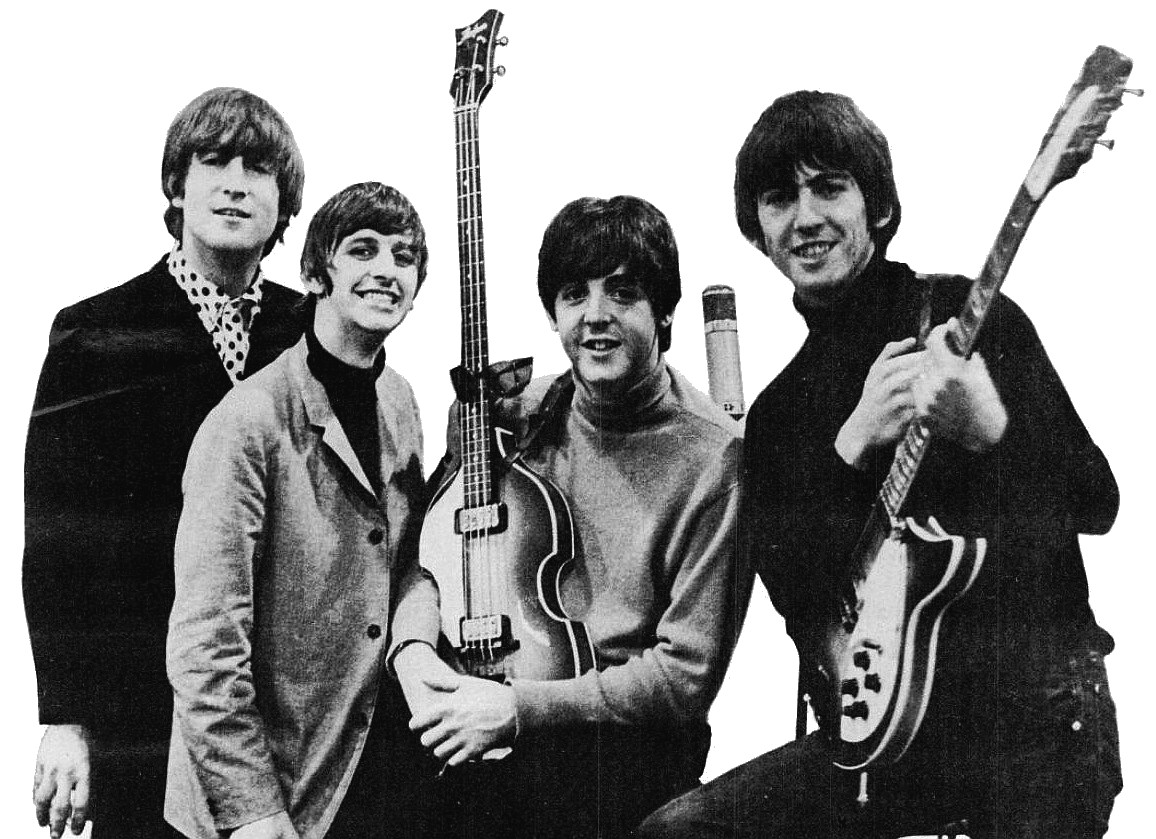
At 23:30 on a late-summer evening, a razor blade sliced through multitrack tape inside Studio Two. The abrupt silence that followed wasn’t a fade-out, a false ending, or a mistake—it was John Lennon demanding that engineer Geoff Emerick cut the master tape mid-chord during the final mix of ‘I Want You (She’s So Heavy)’. The session on 20 August 1969 was the last time Paul McCartney, George Harrison, Ringo Starr, and Lennon recorded together as a quartet at Abbey Road Studios.
George Martin's condition for returning
The session was dedicated to mixing and editing orchestral overdubs for the track. A 16-track recording was loaded with parts performed by over 30 musicians, arranged with George Martin’s input. Martin had returned to produce the ‘Abbey Road’ album on one condition: the four musicians had to work as they once did, leaving the acrimony that had fractured the ‘Let It Be’ sessions outside the control room.
That summer, The Beatles made a conscious decision to reconvene for a final studio project in the old spirit of collaboration. Most of what became ‘Let It Be’ had already been recorded back in January 1969, but those tapes sat in limbo. The group chose to prioritise a new record, with a working title borrowed from an engineer’s brand of cigarettes: ‘Everest’. Nobody wanted to fly to the Himalayas, so the name was scrapped.
A song that would not conclude
‘I Want You (She’s So Heavy)’ had been born months earlier at Trident Studios in February 1969, then painstakingly reshaped at Abbey Road. The final version ran nearly eight minutes, driven by a repeating guitar figure, a Moog IIIP synthesiser that Harrison had brought in, and layers of white noise that built a sensation of claustrophobic tension. Lennon supervised the mix with a specific instruction—the song would not conclude; it would collapse.
Lennon supervised the mix with a specific instruction—the song would not conclude; it would collapse.
The splice Lennon ordered created one of the most jarring moments in the band’s catalogue. On the finished master, the music cuts off on the downbeat, mid-bar, with no warning. There is no resolution, no decay. That sudden drop into silence became the definitive end of side one of ‘Abbey Road’, and it was locked into place during a session that ended, according to studio documentation, at 23:30.
The quiet, unannounced conclusion
After that night, the four members never gathered in a studio to record new material together again. McCartney later returned alone to overdub parts for ‘Let It Be’, but those were solitary visits, not group sessions. Subsequent August dates saw two or three Beatles present, never all four. Roughly a month after the splice, Lennon privately told his bandmates he was leaving. The group’s collective studio history had reached its quiet, unannounced conclusion.
The album that session completed was released on 26 September 1969 and immediately reframed how a rock record could be sequenced. Side two became famous for the ‘Abbey Road’ medley, a chain of unfinished fragments McCartney proposed stitching into a continuous suite. It culminated in ‘The End’, featuring Starr’s rare drum solo and a rotating sequence of guitar solos from McCartney, Harrison, and Lennon trading lines in turn.
The record’s cultural footprint extended far beyond the grooves. On 8 August 1969, photographer Iain Macmillan climbed a stepladder in the middle of Abbey Road while a policeman briefly halted traffic. He took six frames of the band crossing the zebra. The Volkswagen Beetle with the plate LMW 281F, parked beside the crossing, became a target for theft—its number plate was repeatedly stolen after the album’s release turned the street into a pilgrimage site.
The name ‘Abbey Road’ itself entered the discography here for the first time, transforming EMI Studios into a landmark. The hidden track ‘Her Majesty’, originally edited into the medley and accidentally left tacked onto the end after a pause, gave the album a final, accidental shrug. But the real closing statement had already been made weeks earlier, at 23:30, when a razor blade enforced a silence that the four of them would never break together again.