← Feed
Neal Morse: The Light That Split a Progressive Empire
August 2, 2026
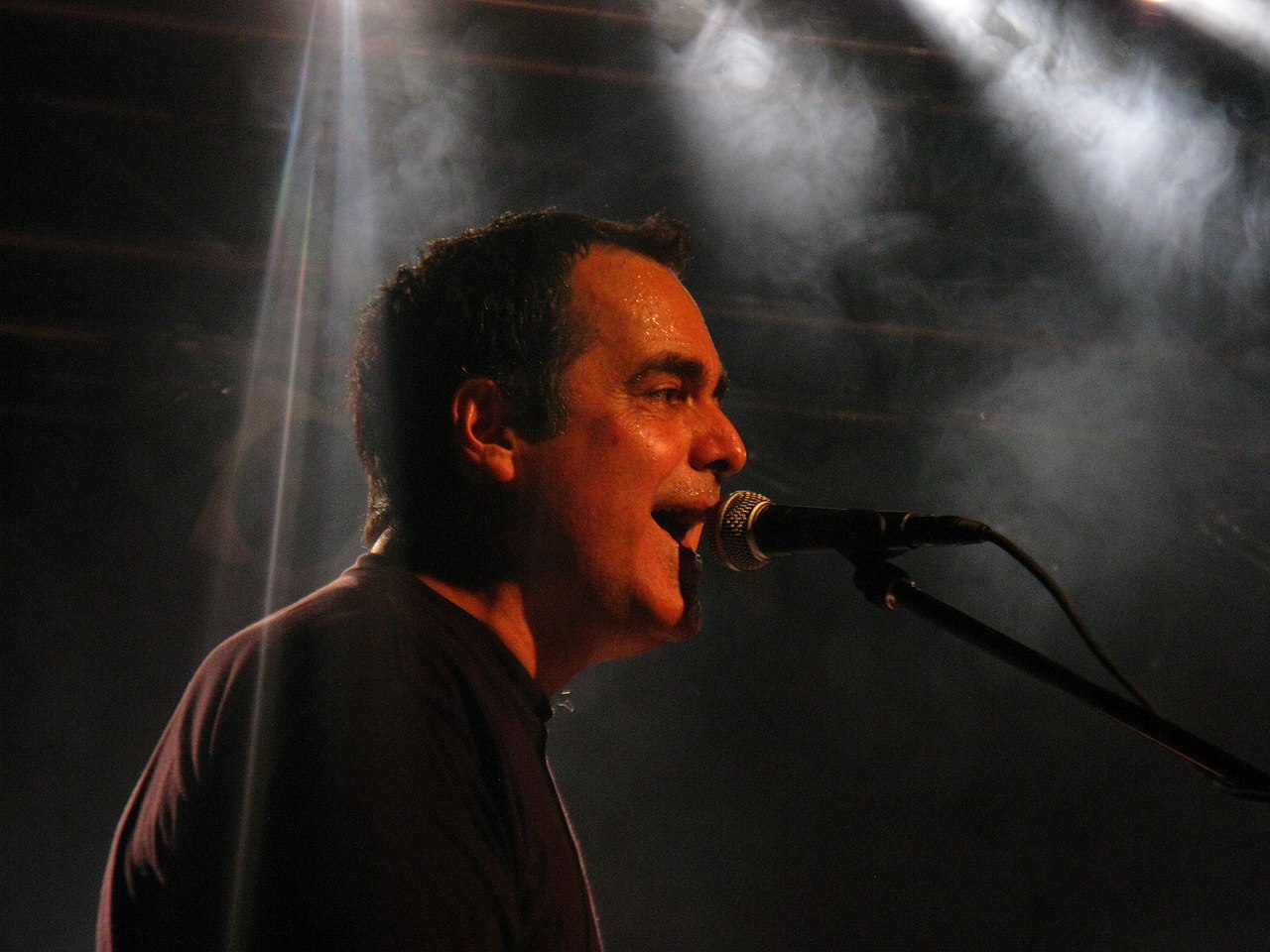
Michael Hanselmann - http://www.michaelhanselmann.de, CC BY-SA 3.0, via Wikimedia Commons (https://commons.wikimedia.org/wiki/File:Transatlantic2010_morse.jpg)
The tape machine in a Nashville home studio hums quietly. A man sits at the console, surrounded by keyboards, guitars, and a stack of lyric sheets dense with biblical allegory. This is not the setup most would predict for someone who once stood at the center of a progressive rock revolution, trading intricate solos with members of Dream Theater and Marillion. Neal Morse, born in Los Angeles on August 2, 1960, turns 66 today, and the physical distance from his Van Nuys beginnings to his Tennessee base is nothing compared to the spiritual and sonic journey documented in the grooves of his records.
Growing up in the San Fernando Valley, music was not a hobby but the family language. His father worked as a choral conductor, and by age five, Neal was already on the piano bench. A guitar followed four years later. This early discipline took a sharp turn before rock stardom beckoned; in his twenties, he wrote two full musicals, *Hit Man* and *Homeland*, and paid bills as a session player, cutting country tracks long before anyone heard a Mellotron in his music. It was a workmanlike beginning, far removed from the sprawling epics that would define his name.
The pivot point arrived in 1992, thirty-four years ago, when Neal and his brother Alan launched Spock's Beard. Their 1995 debut, *The Light*, landed with a modest splash, but the band quickly became torchbearers for a new wave of progressive rock. Albums like *Beware of Darkness* and *The Kindness of Strangers* proved the project was no nostalgia act. By *Day for Night* in 1999, the band was peaking creatively, and Neal was simultaneously joining a supergroup that felt like a prog fan's ultimate fantasy.
Transatlantic formed in 1999 with Mike Portnoy of Dream Theater, Roine Stolt of The Flower Kings, and Pete Trewavas of Marillion. The chemistry was immediate and volcanic. Their debut, *SMPT:e*, arrived in 2000, followed a year later by the towering *Bridge Across Forever*. Owning these early Transatlantic pressings on vinyl is to hold a document of four virtuosos refusing to edit their ambition. The albums are exercises in excess in the best possible sense, side-long suites where every musician fights for space in the mix and somehow finds it.
Then came the rupture. In 2002, twenty-four years ago, Neal Morse experienced a profound religious conversion. The timing was brutal. Spock's Beard had just finished *Snow*, a sprawling concept album that many consider their masterpiece. Neal dropped the news and walked away immediately after its release, leaving his brother and bandmates to rebuild without their primary songwriter and voice. The decision made no commercial sense, but for Neal, the calculus had changed entirely. He was no longer writing for prog audiences; he was writing for a higher audience.
The solo career that followed is unprecedented in its focus. He began releasing Christian progressive rock records, dense concept albums like *Testimony*, where complex time signatures carry lyrics of redemption. Metal Blade Records, a label historically associated with extreme metal, became an unlikely home for this material. The physical editions of these albums, often double LPs with elaborate gatefold art, feel like modern-day gospel pamphlets for crate-diggers. They document a man using the vocabulary of Yes and Genesis to explore personal salvation.
What makes the story stranger is that he never truly left his old life behind. Transatlantic reconvened for *The Whirlwind* in 2009 and *Kaleidoscope* in 2014. With Portnoy, he also birthed the Beatles tribute Yellow Matter Custard and the pop-prog outfit Flying Colors, where guitarist Steve Morse—a namesake, not a relative—added yet another texture. Neal existed in two parallel dimensions: one making dense theological epics with The Neal Morse Band on albums like *The Similitude of a Dream*, the other trading solos with his secular heroes.
The Neal Morse Band's 2016 double album *The Similitude of a Dream*, released a decade ago, stands as a high-water mark. Based on *The Pilgrim's Progress*, it is a relentless, two-hour blast of melodic heavy prog. The vinyl edition is a four-sided marathon that demands active listening. For collectors, this era is fascinating: it captures a bandleader completely at peace with his contradictions, backed by a unit that includes Portnoy, performing music that is technically ferocious and lyrically devotional. There is no irony in it, and that sincerity is its most disorienting quality.
He detailed much of this internal revolution in his 2011 autobiography, *Testimony*, a book that lays bare the tension between art and faith. Now, at 66, operating from Nashville with his musician brothers Richard and Alan still active, the question is not what Neal Morse will do next, but whether the two audiences he built can ever fully reconcile. Can a record be a prayer and a prog epic simultaneously? The vinyl sits on the shelf, the needle hovers, and the answer depends entirely on which side you drop it on.
Related stories

Cover of “The Suburbs” by Arcade Fire. Source: Cover Art Archive (coverartarchive.org)
The Suburbs: Arcade Fire's Letter from the Edge of Town
August 2, 2026

Wojciech Pędzich, CC BY 4.0, via Wikimedia Commons (https://commons.wikimedia.org/wiki/File:Mayhem,_Summer_Dying_Loud_2024_18.jpg)
How Did a Duran Duran Fan Become Black Metal's Pulse?
August 2, 2026

AI-generated illustration
The Leather Jacket That Built a Catalog
August 2, 2026

deep ghosh from München, Germany, CC BY 2.0, via Wikimedia Commons (https://commons.wikimedia.org/wiki/File:Andy_Fairweather-Low,_July_02_2006.jpg)
The Bedroom Walls Before the Stadium Stages
August 2, 2026
iOS — after Android
Android — in closed testing on Google Play
 Crate
Crate