
On a rainy afternoon in a cramped Manhattan club, a lanky 27-year-old with a Telecaster and a voice like a fractured cathedral launched into 'Mojo Pin' for a room that barely held fifty people. That voice belonged to Jeff Buckley, and the song would open his only studio album, Grace, released on Columbia Records on August 23, 1994. The record didn't sell much at first, but the stage was set for something that would outgrow every room he ever played.
A tiny vinyl pressing in a CD world
Grace landed in a decade when vinyl was an afterthought. In 1994, compact discs ruled, and LP pressings were minuscule—often just a few thousand copies for a new artist. The original American vinyl of Grace contained only 10 tracks, and those copies are now rare. The album's initial commercial performance was modest, but its reputation began a slow burn that eventually caught fire.
The sound was a strange hybrid: alternative rock, folk, and gospel filtered through reverb-drenched guitar and a vocal range that could vault from a whisper to a falsetto scream. Producer Andy Wallace shaped the album at Bearsville Studios in upstate New York, with bassist Mick Grondahl and guitarist Michael Tighe adding texture. Buckley's guitar used unusual tunings, and his voice drew comparisons to his father, Tim Buckley, though the two had barely spoken.
Tim Buckley died at 28 from an overdose. Jeff was 27 when Grace came out, and he drowned in 1997 at age 30. The tragedy turned a slow-burning cult record into a posthumous phenomenon. Interest in his work surged, and the tiny vinyl pressings from 1994 became objects of desire. By the 2000s and 2010s, reissues started appearing, but the originals carried a different weight.
The album's most famous moment is a cover of Leonard Cohen's 'Hallelujah.' Buckley's version became one of the most recognized interpretations of the song, though it wasn't a single at the time. The actual single was 'Last Goodbye,' which got MTV rotation with a video by director Howard Greenhalgh. That exposure helped, but Grace never became a blockbuster during Buckley's life.
The slow climb to platinum
Certifications tell the story of a slow climb. In Australia, the album went platinum while Buckley was still alive. The UK gave it platinum status in 1998, a year after his death. In the US, it took until 2002 for gold and 2006 for platinum—20 years ago now. By then, the vinyl revival was underway, and collectors were paying attention to those early pressings.
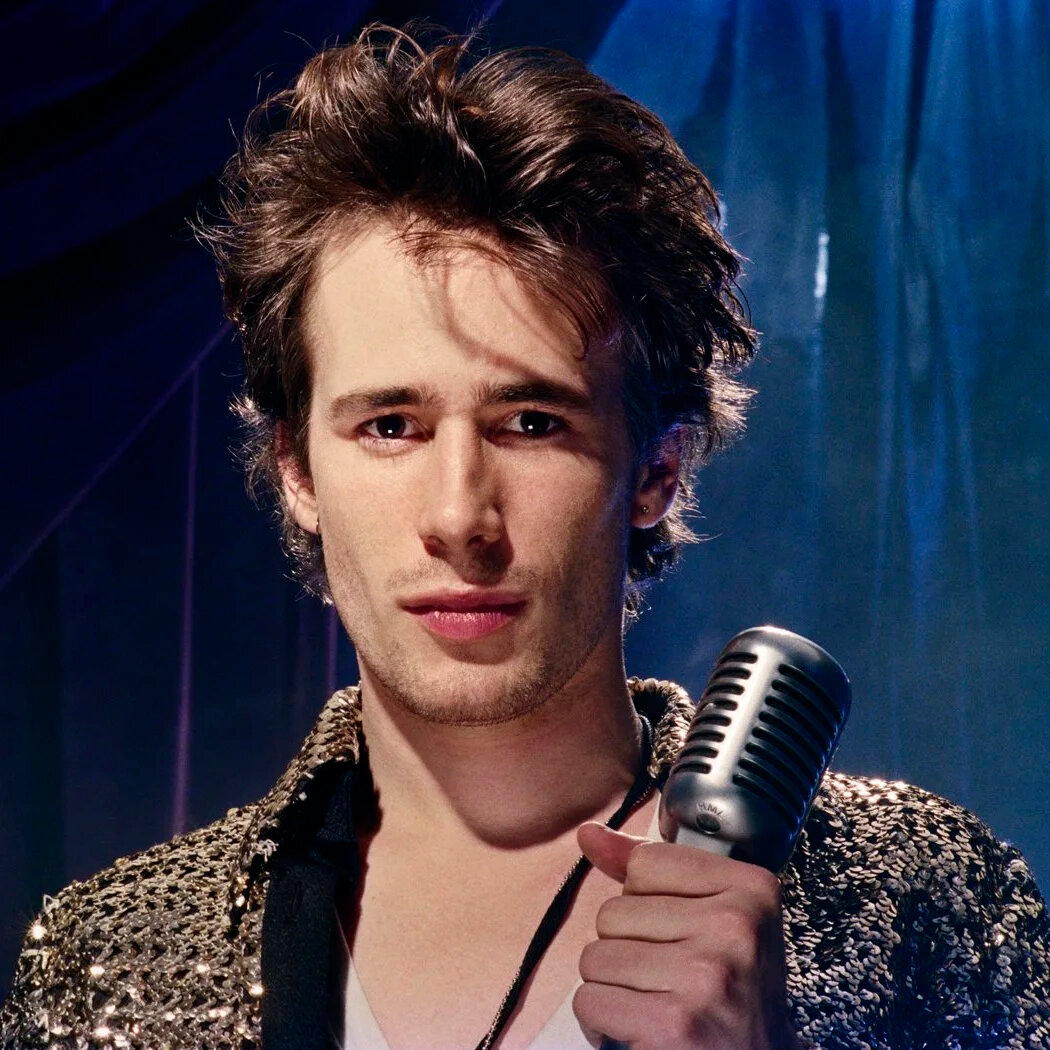
The cover photo by Merrick Morton is a blurred portrait of Buckley with a microphone, and the title means 'grace' or 'mercy.' The album's opening track, 'Mojo Pin,' begins with a long vocal intro that sounds like a man testing the edges of his own voice. 'Lover, You Should've Come Over' was written on a rainy day, and its organ and guitar build to one of the most aching climaxes in 1990s rock.
Admiration from Bowie, Dylan, and Page
Admiration came from unexpected corners. David Bowie named Grace among his favorite albums. Bob Dylan spoke highly of Buckley's talent. Jimmy Page called him one of the best performers of his generation. Rolling Stone placed the album on its list of the 500 greatest albums of all time. None of that could have been predicted from the small clubs of Manhattan's Lower East Side where Buckley honed his craft.
The original 1994 LP is now a collector's item not because it was a hit, but because it wasn't. In the CD era, nobody pressed vinyl in large numbers for a debut artist with no chart history. Later reissues added bonus tracks, but the 10-song American original remains the purest document. The record's value grew after 1997, and it hasn't stopped since.
The original 1994 LP is now a collector's item not because it was a hit, but because it wasn't.
Grace is now 32 years old, and its vinyl story is a mirror of the format's resurrection. What was once a niche product in a dying medium became a sought-after artifact in a booming one. The album's slow certification history—gold in 2002, platinum in 2006—mirrors the long arc of its vinyl prices. Jeff Buckley never saw any of it, but the record he made in 1994 keeps finding new rooms to fill.