
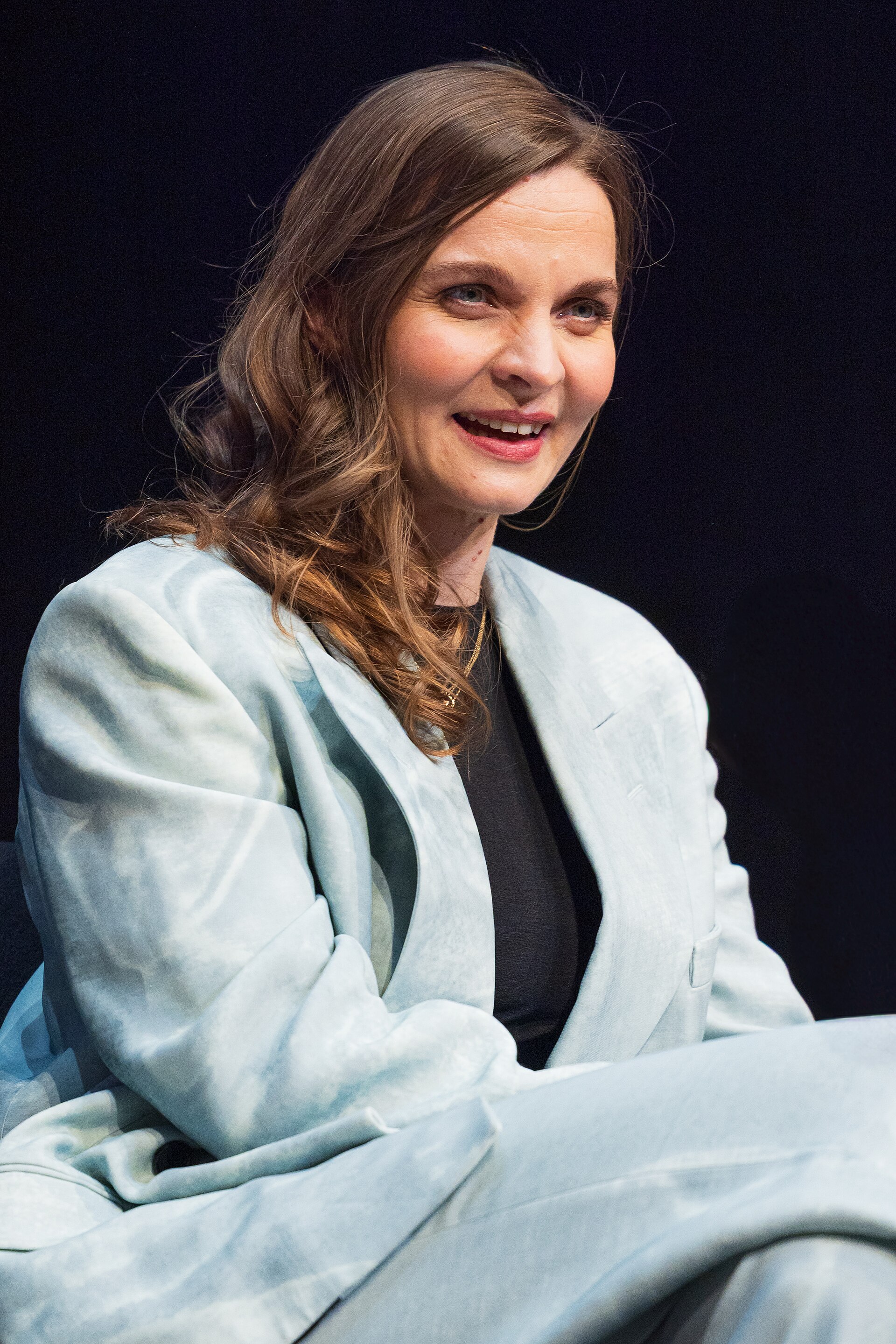
The Geiger counter on the Chernobyl soundtrack doesn't just tick — it becomes a pulse, a voice, a warning. Hildur Guðnadóttir, born September 4, 1982, in Reykjavík, Iceland, turned field recordings from a decommissioned nuclear plant into the sonic backbone of HBO's Chernobyl miniseries. That score would earn her a Primetime Emmy, a BAFTA TV award, and a Grammy — a triple crown no composer had claimed for a single television project before.
The Geiger counter on the Chernobyl soundtrack doesn't just tick — it becomes a pulse, a voice, a warning.
From Hafnarfjörður to Berlin's experimental scene
Growing up in Hafnarfjörður, a town on lava fields south of Reykjavík, music was family business. Her father, Guðni Franzson, composed, played clarinet, and taught. Her mother, Ingveldur, sang opera. Her brother Þórarinn later joined the band Agent Fresco. For Hildur, the cello came early, and the path seemed set: Reykjavík Music Academy, then the Iceland Academy of the Arts, then Berlin University of the Arts.
But the conservatory route was only half the story. Even while studying classical cello in Germany, she kept returning to Iceland's experimental scene. She played and recorded with Múm, the beloved post-rock collective, and joined Stórsveit Nix Noltes, a nine-piece Balkan-influenced ensemble. Guðnadóttir's cello could drone with Sunn O))) on tour, lock into Pan Sonic's industrial minimalism, or stretch across Animal Collective's psychedelic landscapes.
The quiet path to film scoring
The turn toward film and television didn't happen overnight. In 2017, she scored Journey's End, a World War I drama. A year later came Mary Magdalene, starring Rooney Mara, and Sicario: Day of the Soldado. Those projects showed a composer unafraid of silence, of texture, of letting a single bowed note carry more weight than a full orchestra. But they were quiet releases compared to what came next.
2019 changed everything. In February, Chernobyl premiered and critics described the score as a horror instrument in its own right. Guðnadóttir had traveled to Lithuania, recorded inside a nuclear power plant, and layered those sounds with her own cello and vocals. The result felt less composed than excavated — industrial hum, metallic resonance, human breath. That summer, Joker opened in theaters.
Joker's score was a different kind of unease. Guðnadóttir wrote the music before filming began, drawing from a single cello line that director Todd Phillips then used on set. The soundtrack's creeping strings and low-end pressure mirrored Arthur Fleck's unraveling. At the 2020 Academy Awards, Guðnadóttir won Best Original Score — the first woman to win that category solo. She also took the BAFTA and the Golden Globe for the same work.
No woman had ever swept all three major film music awards for a single score before Joker. Add the Emmy, BAFTA TV award, and Grammy for Chernobyl, and the tally became staggering: two Grammys, a Critics' Choice Award, a Satellite Award, and a prize at the Venice Film Festival's Soundtrack Stars competition. By 2026, as Guðnadóttir turns 44, that list still reads like a checklist of every institution that once ignored women composers.
Later work and the sound of discomfort
Her later work kept pushing into discomfort. For Todd Field's Tár in 2022, she composed a score that existed mostly at the edges of the frame, sometimes just a piano note held too long. For Sarah Polley's Women Talking, also 2022, she used only guitar, cello, and voice — no percussion, no electronics. The music felt like a conversation overheard through a wall, intimate and unresolved.
Guðnadóttir never left the experimental world behind. Her collaborations with Throbbing Gristle, Pan Sonic, and Sunn O))) taught her that a cello could be a noise machine, a drone generator, a field recorder. That education shows in every score. When she won the Oscar, she thanked her mother, her father, and her son — then walked off stage with the same calm she brings to a single sustained note.
There's a moment in the Chernobyl score where the Geiger counter fades and what remains is almost a lullaby — a cello line so fragile it might snap. Hildur Guðnadóttir spent years learning to make that sound. On September 4, 2026, she turns 44, and somewhere between Reykjavík and Berlin, that cello is still moving.