
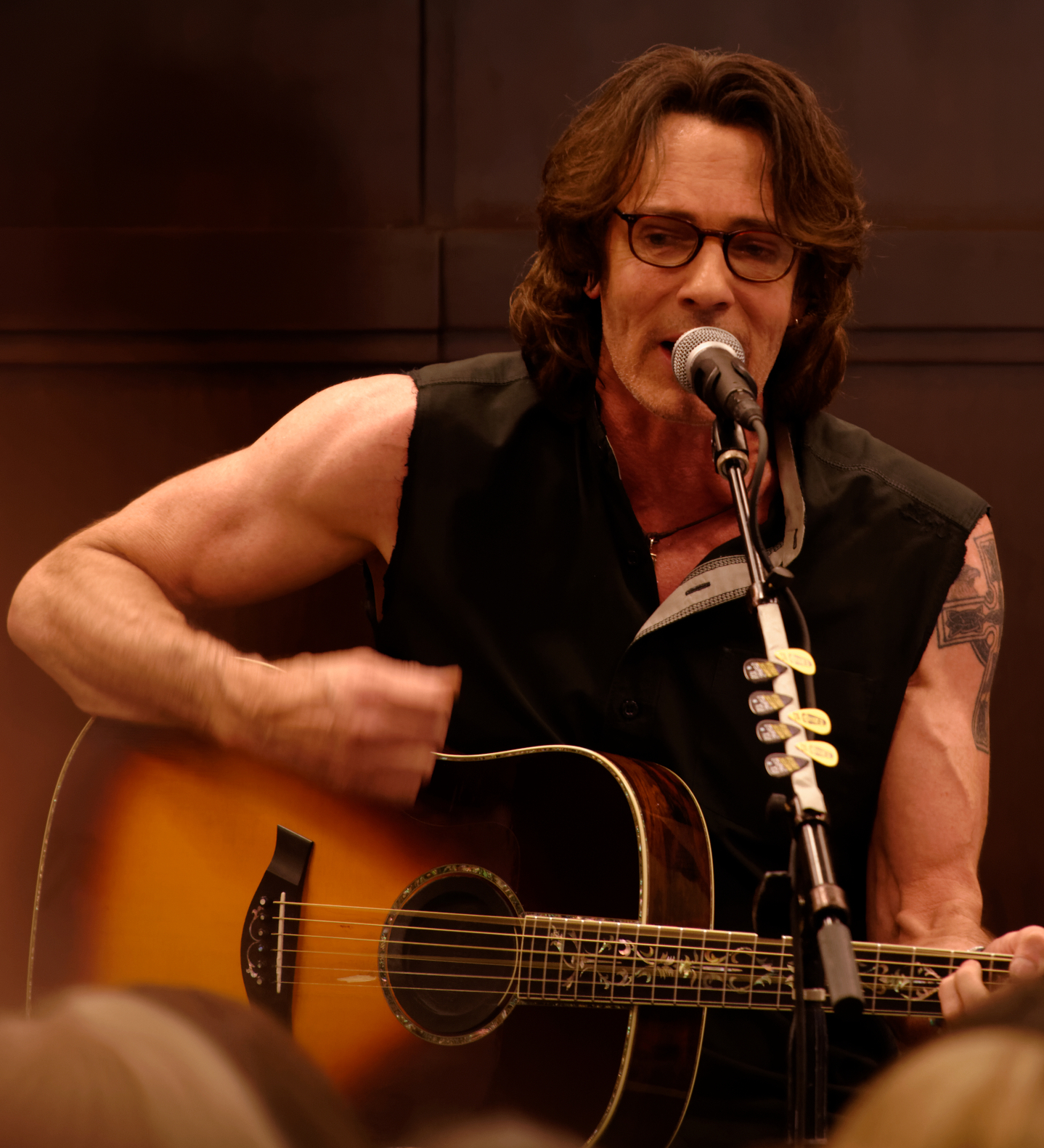
A Les Paul Junior guitar, a lyric about a girlfriend who belonged to someone else, and a face familiar to millions from daytime television. That was the strange alchemy that turned Rick Springfield into an inescapable force in 1981. His album Working Class Dog, released that year, arrived just as MTV was learning to walk and a single song could rewrite a career. Springfield, born on August 23, 1949, had been chasing a breakthrough for nearly a decade, but it took a fictional doctor and a wall of roaring guitars to finally crack the code.
The Sound City sessions and a Grammy win
The album came together at Sound City studios in Los Angeles, with producer Keith Olsen behind the board. Olsen had already shaped records for Fleetwood Mac and Pat Benatar, and he knew how to weld muscle to melody. Working Class Dog climbed to number seven on the Billboard 200 and eventually sold over a million copies in the United States. The engine driving it was a track Springfield wrote almost entirely alone: “Jessie’s Girl.” It shot to number one on the Billboard Hot 100 and earned him a Grammy for Best Male Rock Vocal Performance.
Springfield has since traced that song back to a real moment. At 17, he met a girl at church. She was dating someone else. The frustration and longing curdled for years before he turned it into the tightest three-minute confession of the early 1980s. The single’s nervous energy, those stabbing guitar chords, and a chorus that felt like a clenched fist made it a defining piece of American power-pop. Rolling Stone later called Working Class Dog one of the best power-pop albums of the decade.
The single’s nervous energy, those stabbing guitar chords, and a chorus that felt like a clenched fist made it a defining piece of American power-pop.
Neil Geraldo and the new wave punch
On record, the lineup included session guitarist Neil Geraldo, who was already building his own reputation alongside Pat Benatar and would later marry her. Geraldo’s playing added a sharp, metallic edge to Springfield’s hooks. Together, the band created a sound built on energetic guitar riffs and melodies that refused to leave your head. The album fused the punch of new wave with the heart-on-sleeve directness of classic rock songwriting.
Springfield had a secret weapon no other rock frontman could claim. He was already appearing on television as Dr. Noah Drake in the soap opera General Hospital. The role boosted his visibility at the exact moment MTV began putting his music video for “Jessie’s Girl” into heavy rotation. The visual was simple—a live performance, a frustrated lover, a mirror—but the channel’s hunger for content turned it into a staple. Springfield became one of the first artists to weaponize a soap-opera fanbase for record sales.
Chaos and connection on the road
The tour supporting Working Class Dog paired him with The Romantics and tore across the United States and Canada. Onstage, Springfield was a different animal from the brooding doctor on television. He launched himself into crowds during “Jessie’s Girl,” and his sets regularly included covers of The Beatles and The Kinks. Those performances cemented a reputation for chaos and connection that kept audiences coming back long after the album’s chart run ended.
No follow-up matched the commercial explosion of Working Class Dog. Springfield continued releasing albums through the 1980s and into the 1990s, but the alignment of television fame, MTV’s infancy, and a perfect power-pop single proved impossible to replicate. Later acts, however, absorbed the lesson. Bands like Fountains of Wayne and The Click Five have pointed to Springfield’s songwriting as a direct influence on their own approach to melody and guitar-driven confession.
The 2010s brought a vinyl reissue of Working Class Dog with remastered sound and bonus tracks, and an autobiography where Springfield dissected the album’s creation in detail. He wrote candidly about the church girl, the Los Angeles studio sessions, and the strange vertigo of becoming a pop star while pretending to be a physician every afternoon. The book pulled back the curtain without sanding off the mystery.
Forty-five years after its release, the singer still performs “Jessie’s Girl” at every concert. The song remains the gravitational center of his catalog, a piece of writing so specific to a teenage hurt that it became universal. On the original 1981 pressing, the grooves of Working Class Dog capture a sound that helped define pop-rock’s shape for a decade—before streaming, before virality, when a guitar and a grudge were still enough.