← Feed · Читать эту историю по-русски →
How a $7M Film Turned Prince's Pain Into Vinyl Gold
July 27, 2026
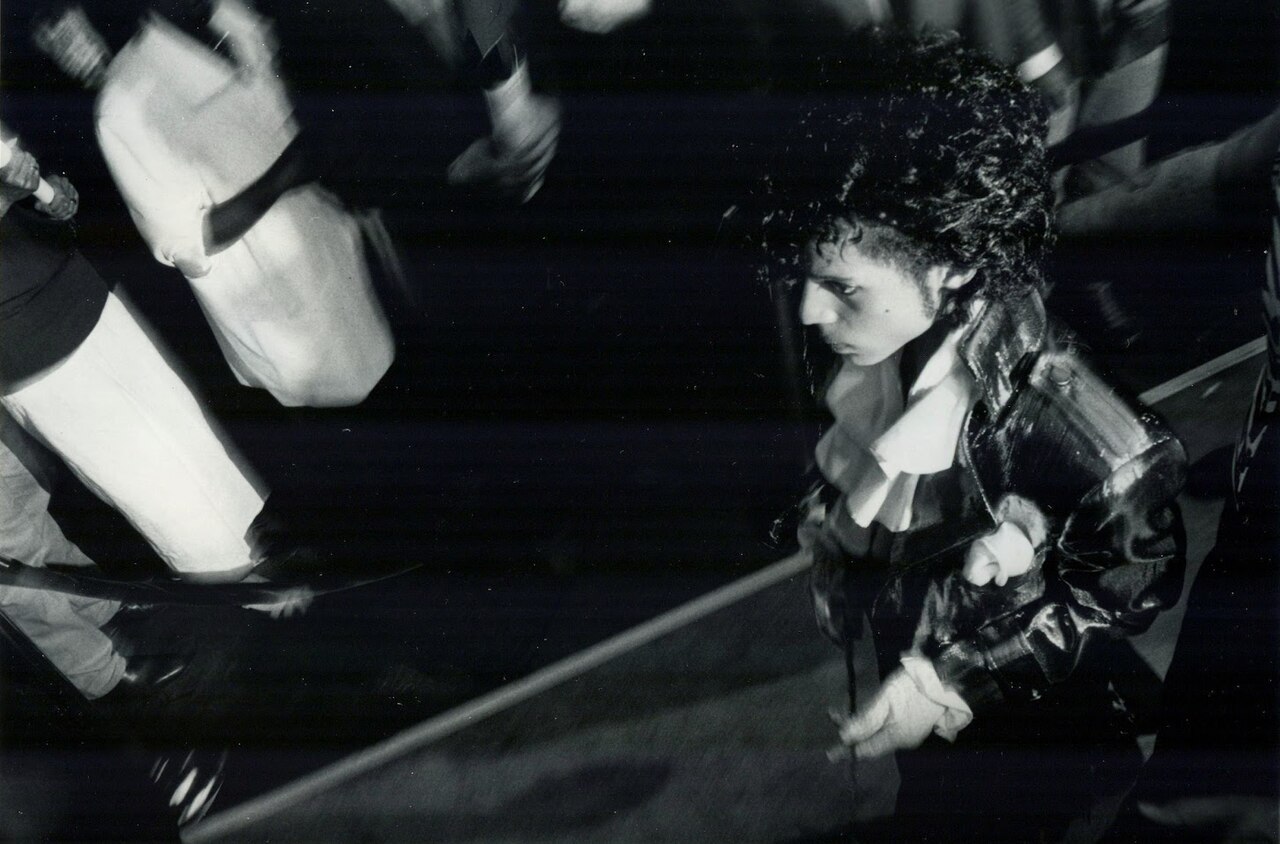
Фото: CrateCore
Inside First Avenue, the air was thick with cigarette smoke and the scent of cheap beer. A silhouette emerged on stage, draped in a purple trench coat, gripping a guitar like a weapon. The crowd pressed forward as The Revolution locked into a slow, grinding groove. This wasn't a polished Hollywood soundstage; this was a live, unvarnished performance captured on a Minneapolis night. Prince had demanded the musical numbers be shot raw and real, a decision that would electrify the semi-autobiographical story of a young musician known only as The Kid.
Released on July 27, 1984, 'Purple Rain' was a gamble. Director Albert Magnoli, who co-wrote the script with William Blinn, was handed a budget of around seven million dollars to translate Prince's vision to the screen. Filming took place largely in Minneapolis, embedding the production in the city's actual music scene. The plot was a melodramatic storm, pitting The Kid against his chief rival, Morris Day, played with slick antagonism by the frontman of The Time. The story’s gravity came from a darker domestic core: the volatile relationship between The Kid and his father, a failed musician drowning in alcoholism and cruelty.
The narrative tension tightened when Apollonia Kotero entered the frame as an aspiring singer. She became the object of The Kid's affection, only to fracture the fragile peace by joining Morris Day's band. This professional betrayal mirrored the personal chaos at home, where scenes of domestic violence sparked controversy. The film earned an R rating for its explicit content, a restriction Prince refused to dilute. He personally controlled the final cut, ensuring the rawness of the story matched the searing intensity of the live performances.
Long before the film hit theaters, the music had already begun its conquest. The soundtrack album dropped on June 25, 1984, a full month before the premiere. It wasn't merely a collection of songs; it was the narrative spine of the movie. Prince performed every musical part himself, crafting a dense, genre-fluid sound that defied easy categorization. The album shot to number one on the Billboard 200, beginning a staggering twenty-four-week reign at the top. With over twenty-five million copies sold worldwide, the vinyl LP became a cornerstone of any serious collection.
The singles were inescapable. 'When Doves Cry' was the first to strike, holding the Billboard Hot 100 for five weeks with its revolutionary, bass-free arrangement. 'Let's Go Crazy' followed suit, a frenetic rockabilly-funk sermon that also claimed the number one spot. The title track, a gospel-tinged power ballad, peaked at number two. These weren't just hit songs; they were the film's emotional core, pressed onto black wax and blasted from car stereos. The album later won a Grammy for Best Score Soundtrack for Visual Media, and Prince took home an Oscar for Best Original Song Score.
The Hollywood premiere on July 26, 1984, was a coronation. Celebrities like Michael Jackson gathered to witness the phenomenon, just a day before the wide release. The film went on to gross over seventy million dollars globally, a massive return on its modest budget. Critics were split on Prince's acting ability, delivering mixed reviews, but they were unanimous in praising the electric musical sequences. The film transformed The Revolution from a backing band into stars, their chemistry with Prince creating a palpable tension that no studio magic could replicate.
The visual iconography was immediate and enduring. Prince's costumes, particularly the ruffled shirt and the purple trench coat, became legendary. The climactic performance of 'Purple Rain' under a cascade of water remains one of the most iconic scenes in cinema history. It blurred the line between concert film and melodrama, creating a mythos around the artist that transcended the screen. The film spawned countless parodies and solidified Morris Day's comedic, yet formidable, screen presence, turning the rivalry into pop culture shorthand.
For crate diggers, the 'Purple Rain' LP represents a perfect storm of cultural impact and analog warmth. The original 1984 pressing, with its iconic gatefold sleeve featuring Prince speeding on a motorcycle, is a tactile artifact of a moment when a musician seized total creative control. The album's dynamic range, cut for vinyl, captures the live energy of First Avenue in a way that digital streams often flatten. It is a record meant to be played loud, allowing the needle to trace the grooves of a soundtrack that outsold and outlasted the typical Hollywood tie-in.
Decades later, the Library of Congress selected 'Purple Rain' for preservation in the National Film Registry in 2019, recognizing its cultural, historical, and aesthetic significance. The film turned a semi-autobiographical pain into a universal myth, making Prince one of the highest-paid artists of 1984. Forty-two years on, holding that soundtrack is not just owning a record; it is holding the moment a Kid from Minneapolis, battling ghosts on stage and on screen, turned a seven-million-dollar movie into an immortal artifact of sound and vision.