
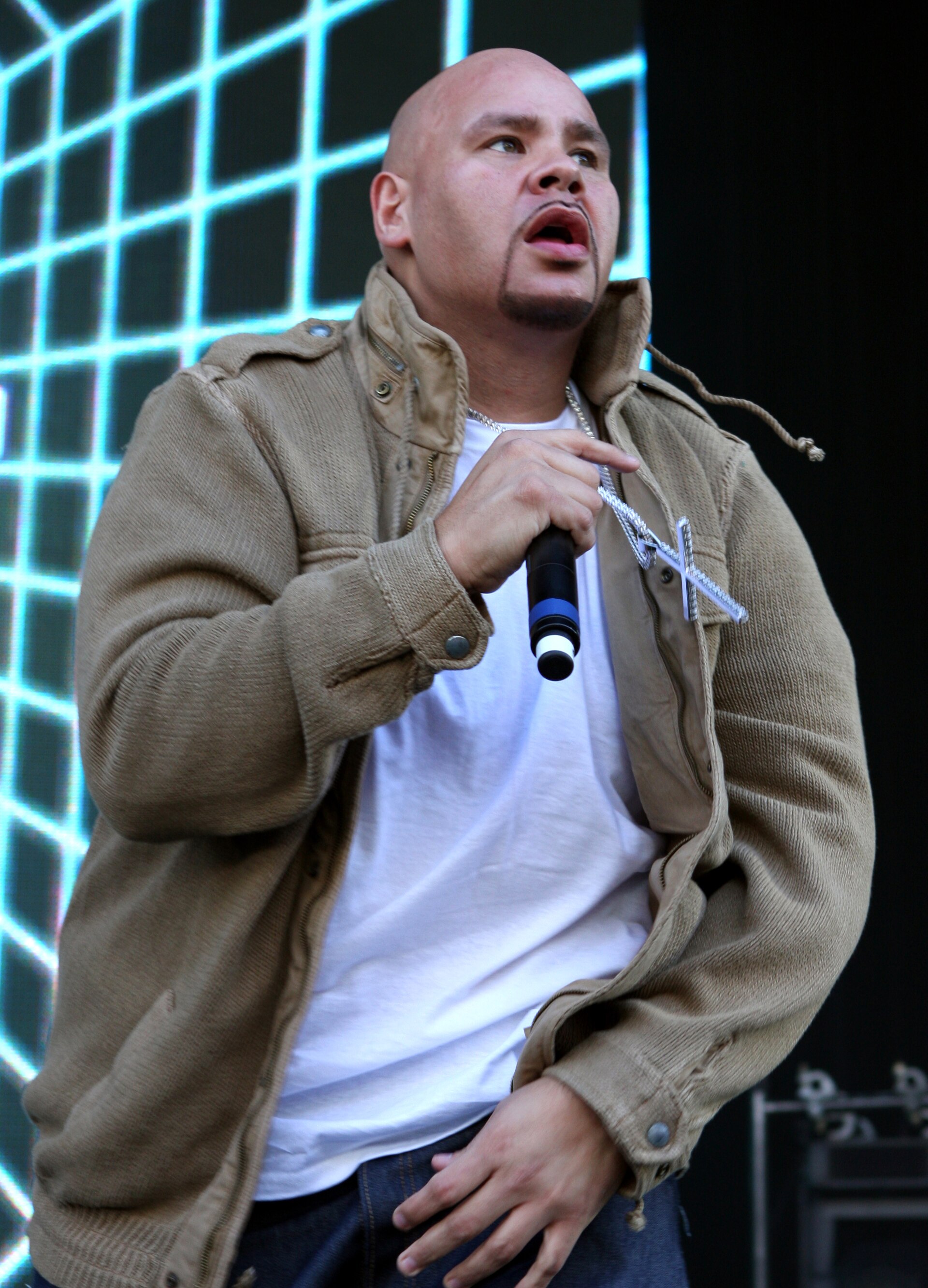
A 12-inch single with 'Flow Joe' on the A-side and a remix on the flip was the first time the Bronx heard that deep, menacing voice. Fat Joe, born Joseph Antonio Cartagena on August 19, 1970, didn't just rap about the streets — he sounded like them. By the early 1990s, his Puerto Rican and Cuban roots gave him a distinct edge in a scene dominated by East Coast boom-bap. Those early 12-inch releases weren't just promotional tools; they were statements from a new heavyweight.
Those early 12-inch releases weren't just promotional tools; they were statements from a new heavyweight.
The D.I.T.C. finishing school
Before the solo fame, Fat Joe sharpened his skills as a member of D.I.T.C., the Diggin' in the Crates Crew. That collective of Bronx and Harlem producers and MCs included legends like Diamond D, who would later helm Joe's debut. The D.I.T.C. connection wasn't just a launching pad — it was a finishing school for raw, sample-heavy beats and no-nonsense lyricism. Joe's affiliation with that crew signaled he wasn't a studio creation but a product of the borough's competitive cipher culture.
In 1993, Relativity Records released 'Represent', Fat Joe's debut album. Diamond D handled the production, giving the record a dusty, crate-dug feel that matched Joe's gruff delivery. Guest spots from Grand Puba, Diamond D, and Apache added weight without overshadowing the main event. The album didn't crack the Billboard 200's upper reaches, but it established Joe as a voice to watch. The vinyl pressing of 'Represent' became a staple for DJs who needed that hard-edged sound for their sets.
Two years later, 'Jealous One's Envy' hit shelves with a sharper focus and a bigger budget. The single 'Success' became an anthem for anyone grinding out of the projects, its hook simple but undeniable. By this point, Fat Joe's aggressive style and street-life narratives were his signature. The album's 12-inch singles, including 'Success', were pressed in limited quantities, making them sought-after pieces for collectors of 90s hip-hop vinyl.
Terror Squad and the mainstream breakthrough
The late 90s brought a shift. In 1997, Fat Joe founded Terror Squad Entertainment, a label and crew that would define his next chapter. The roster included Big Pun, Cuban Link, Prospect, Armageddon, and Triple Seis — a mix of Bronx and Latin rap talent. The crew's debut, 'The Album', arrived in 1999, showcasing the collective's chemistry. But it was the 1998 solo effort 'Don Cartagena' that cemented Joe's mainstream status, reaching number 7 on the Billboard 200 with features from Puff Daddy, Nas, and Big Pun.
The collaboration between Fat Joe and Big Pun on 'Twinz (Deep Cover 98)' remains a high point of 90s hip-hop. Pun's rapid-fire verse and Joe's steady anchor created a dynamic that felt both competitive and familial. Their chemistry extended beyond the booth, with Joe often playing mentor to the younger rapper. The track's 12-inch release, with its clean and dirty versions, became a DJ favorite. But the partnership was cut short when Big Pun died of a heart attack in 2000, leaving Joe to steer Terror Squad alone.
Despite the loss, Fat Joe pushed Terror Squad forward, and in 2004 the group scored a number 1 hit on the Billboard Hot 100 with 'Lean Back'. The track's minimal beat and catchy hook made it a crossover smash, proving Joe's ear for radio-friendly records. That same period saw him collaborate with Remy Ma, Lil Wayne, and Ashanti, expanding his reach beyond the hardcore hip-hop base. The 2005 album 'All or Nothing' featured the hit 'So Much More', further solidifying his commercial viability.
Fat Joe's later career included Grammy nominations, a 2016 single with Remy Ma called 'All the Way Up' that was also nominated, and ventures into podcasting and acting with appearances in 'Scary Movie 3' and 'Empire'. But the 90s vinyl era remains his foundation. His early 12-inch singles, from 'Represent' to 'Don Cartagena', were pressed in relatively small numbers and have become benchmarks for collectors of Latin hip-hop and Bronx rap.
In 2021, Fat Joe released 'What Would Big Do 2021', a tribute to Big Pun that revisited their shared history. The album's title posed a question that had haunted Joe for two decades. It was a reminder that the Bronx rapper's legacy isn't just about chart positions or Grammy nods, but about the community he built and the records he left behind. Those 12-inch singles from the 90s still circulate in crates, their grooves carrying the weight of a borough's voice.