
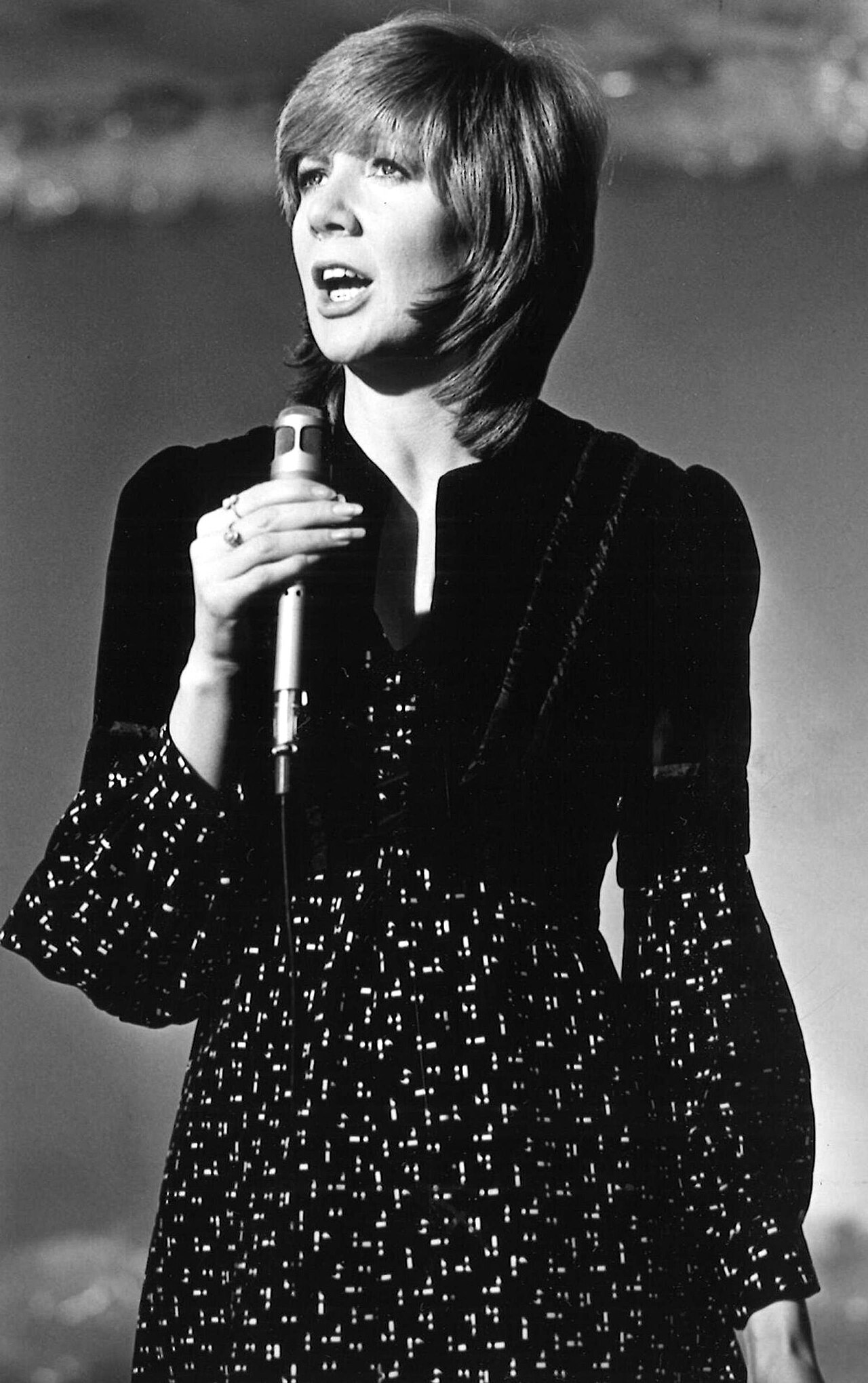
A Spanish villa near Marbella, the first day of August 2015. Inside, a 72-year-old woman lies still, her voice — once capable of filling any room in Britain — now silent. The news travels quickly across the English Channel, sparking tributes that feel less like distant celebrity mourning and more like a family’s grief. Cilla Black’s death closes a chapter that began not in a television studio but in a damp Liverpool basement, where a coat-check girl became a pop phenomenon under the wing of the Beatles.
From Cavern Club cloakroom to pop stardom
Born Priscilla White, she was an English singer, actress, and television presenter whose career in recorded music exploded during the 1960s and early 1970s. Her story is inseparable from the Beatles’ orbit; it was John Lennon and Brian Epstein who saw the raw talent in the young woman working the cloakroom at the Cavern Club. This connection gave her access to songs that would define an era, most notably a Lennon-McCartney composition that became her signature hit and a cornerstone of British pop.
The recording career that followed was remarkably concentrated. Her successful run in the music industry peaked in that brief, electric window between 1960 and 1970, a period 66 years back from today. While her peers chased rock’s heavier turns, Black’s powerful, crystal-clear delivery on tracks like 'Anyone Who Had a Heart' showcased a dramatic intensity that producers couldn’t fake. These records weren’t disposable singles; they were mini-dramas pressed into vinyl, designed for repeat plays on a turntable.
These records weren’t disposable singles; they were mini-dramas pressed into vinyl, designed for repeat plays on a turntable.
The television reinvention begins
But the studio was only half the story. By 1968, she had already begun a transformation that many pop stars attempt but few master. That year, 58 years ago, she launched her own BBC variety show simply titled 'Cilla'. The program was a cultural fixture, running until 1976 — exactly 50 years ago. It shifted her identity from a recording artist into a television personality, someone who could chat with guests as comfortably as she could belt out a ballad.
The transition from pop charts to television schedules didn’t dim her star; it reframed it. In 1984, 42 years ago, she began hosting 'Surprise Surprise', a show that ran until 2001, a 25-year span that feels almost impossible in today’s fragmented media landscape. This wasn't a cameo gig. It was a prime-time institution, built on the emotional reveal, a format that relied entirely on Black’s ability to connect with ordinary people in extraordinary moments.
Then came 'Blind Date'. Launched in 1985 and broadcasting until 2003, 41 years to 23 years ago respectively, the show turned her into a Saturday night ritual. Her catchphrases and cheeky laugh became the soundtrack to millions of living rooms. For a generation, Cilla Black wasn’t a singer who did TV; she was a TV icon who once had hits. The physical records from her pop years became artifacts of a previous life, a secret history for younger viewers to discover.
Why collectors chase her early vinyl
This duality makes her physical discography particularly fascinating for collectors. The early singles and albums are documents of a specific London recording scene, produced by George Martin and featuring material from the Lennon-McCartney catalog. A first pressing of her debut album isn’t just a pop record; it’s an artifact from the Beatles’ management machine, a piece of the 1960s British Invasion puzzle that looks different from the American perspective.
The sound on those LPs captures a voice in its prime, unsoftened by years of television dialogue. The arrangements are grandiose, the emotion unironic. Holding a vinyl copy of a 1970 release — 56 years old now — offers a tactile connection to a moment before the variety-show persona took over. The cover art, often featuring Black’s beehive hair and sharp mod fashion, is a visual anchor to the swinging London era, a design language that speaks directly to crate diggers obsessed with period aesthetics.
Her death in that Spanish holiday home, 11 years ago, didn’t resurrect her pop career so much as remind people it existed. The television presenter had become so dominant that the singer required rediscovery. For those who pull a dusty copy of her work from a crate, the reward is immediate: a powerful voice, a Beatles connection, and a story of a performer who walked away from the charts and conquered an entirely different medium.
The legacy sits in two places: in the archives of British television and in the grooves of vinyl records. One form is ephemeral, locked to a broadcast schedule. The other is physical, permanent, waiting in a sleeve for the next spin. In the end, the girl from the Cavern Club coat-check didn’t just survive the 1960s; she stretched her fame across six decades, leaving behind a paper trail of records that still sound like the beginning of everything.