
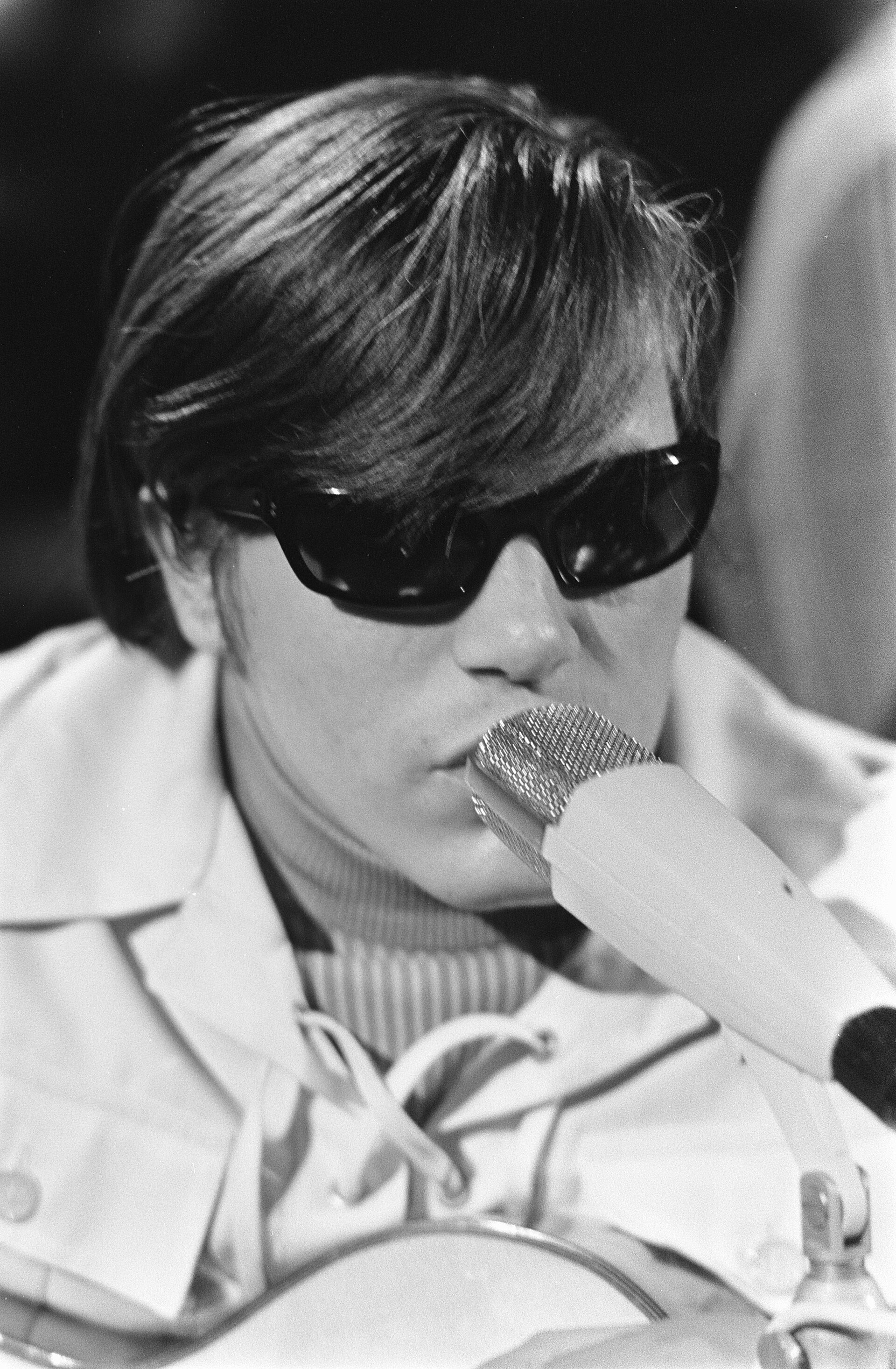
A tin cracker can, a blind five-year-old, and the Spanish Harlem air of 1950 — that’s where José Feliciano’s sound begins. Born José Montserrat Feliciano García on September 10, 1945, in Lares, Puerto Rico, he was the fourth of eleven sons, blind from congenital glaucoma. His first instrument wasn’t a guitar but a discarded can he beat at age three. By the time his family reached New York, the boy was already backing his uncle on the cuatro, the island’s small four-stringed guitar. At nine, he stood on the stage of Teatro Puerto Rico in the Bronx, playing for a crowd that couldn’t look away.
The move to Spanish Harlem when he was five dropped him into a city buzzing with rock ’n’ roll and doo-wop. Feliciano locked himself in his room for up to 14 hours a day, practicing until his fingers bled. He absorbed 1950s rock and improvised over it, bending notes into a language all his own. The accordion came first, then the guitar — the instrument that would define him. By seventeen, school lay behind him; he was working New York clubs to feed his family, turning his disability into a superpower of sound.
In 1962, at seventeen, he signed his first touring contract in Detroit — a far cry from the cracker tin. But the real break arrived four years later, in 1966, when he traveled to Argentina. At the Mar del Plata festival, an RCA representative heard him play and glimpsed the future. Feliciano recorded a Spanish-language album rooted in bolero, the romantic ballad form of his homeland. Two hits from that record caught fire across Latin America, and suddenly the blind kid from Lares had a label behind him: RCA Victor.
Back in the United States, the late 1960s became his launching pad. His 1968 album Feliciano! climbed to number two on the charts — a staggering feat for a Puerto Rican guitarist fusing bolero, jazz, blues, soul, and rock. The record’s centerpiece was a cover of The Doors’ ‘Light My Fire,’ slowed to a smoldering acoustic crawl. José’s version didn’t just imitate Jim Morrison; it reinvented the song as a Latin-jazz confession. American radio had never encountered anything like it, and the country couldn’t decide whether to dance or pray.
That tension — between tradition and reinvention — runs through all his work. He wrote ‘Feliz Navidad,’ a Christmas song so simple and universal it became a global ritual. He recorded over 50 albums in English and Spanish, spanning soft rock, bolero, and Latin pop. His acoustic guitar, always front and center, carried the weight of his blindness, his heritage, and his hunger. Feliciano didn’t just play the guitar; he made it speak in tongues.
The RCA Victor years gave him a platform, but the sound was entirely his own. He took the cuatro’s plaintive cry and threaded it through jazz chords and rock’s backbeat. In clubs and on records, he moved between languages and genres without apology. The bolero’s ache met the blues’ grit; the soul’s shout met the Puerto Rican countryside. Critics called him a virtuoso, but that word feels too clean for the raw, broken beauty he coaxed from strings.
Feliciano never stopped touring or recording. From Detroit to Buenos Aires to the world’s biggest stages, he carried the memory of that first cracker tin. His blindness never defined his limits; it shaped his ears. He heard music where others heard noise — in the rattle of a can, the scrape of a cuatro, the wail of a radio. By the time he was an international star, he had already spent decades turning absence into presence.
Now, in 2026, José Feliciano turns 81. That number feels almost absurd for a man whose fingers still move like a teenager’s on a fretboard. He was born the year World War II ended, and his career spans more than half a century of American and Latin music. Yet the story stays rooted in a simple fact: a blind boy from Puerto Rico learned to see with his hands, and the world has been listening ever since.
The last note of ‘Light My Fire’ fades, and somewhere a cracker tin echoes in a kitchen. Feliciano’s music never left that room in Spanish Harlem, where a child sat for 14 hours a day, chasing a sound that would cross oceans. At 81, he is still that boy — not a legend, but a listener who never stopped playing. The guitar rests against the amp, still warm.