
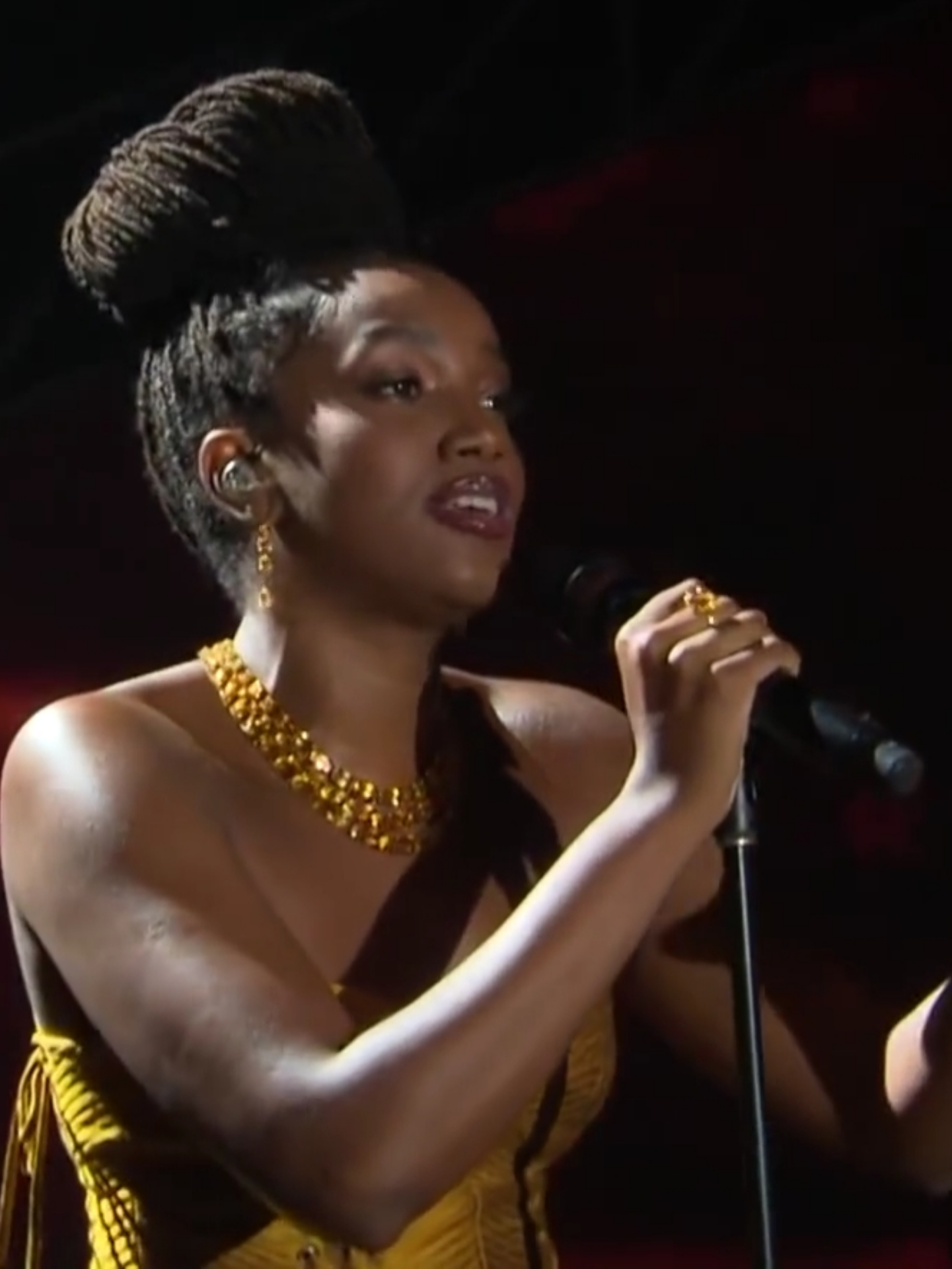
An advertising degree hangs on one wall. A framed Warner Music Brasil contract sits on the other. For most of her twenties, Iza lived in the tension between those two documents — the safe path she’d finished and the impossible one she’d just signed. Born Isabela Cristina Correia de Lima Lima in Rio de Janeiro on September 3, 1990, she spent years stacking credentials for a career she would abandon the instant a microphone came within reach.
Early stages in Natal
Moving to Natal at age six uprooted everything. In that northeastern coastal city, far from Rio’s bustle, family gatherings and church services became her first stages. No production, no lights — just a kid singing because the impulse left no other option. Those early performances planted something advertising textbooks couldn’t erase, a gravitational pull toward music that would survive an entire university degree and a cross-country return.
At eighteen she came back to Rio de Janeiro, enrolling in advertising at the Pontifical Catholic University. The plan was linear: study, graduate, work. She walked the stage in 2013, diploma in hand, and immediately did what no career counselor would advise — she launched a YouTube channel. The advertising graduate was about to build her own brand from scratch, armed with nothing but a camera and a voice.
Building a brand on YouTube
The channel turned into a laboratory. She posted covers of Beyoncé, Rihanna, and Sam Smith — not as karaoke tributes but as full reconstructions, each one a statement of intent. The views climbed. Spotify and SoundCloud followed, her original tracks sitting alongside the covers like proof that she wasn’t merely an interpreter. A&R representatives started paying attention. A singer, songwriter, and dancer was assembling herself in public view.
Warner Music Brasil made their move in May 2016. The contract wasn’t a development deal with years of grooming attached — it was a bet that the woman on those screens was already fully formed. The label saw what the YouTube comments had been saying: this voice carried weight, and the dancing wasn’t an add-on, it was integral. Pop music and contemporary R&B had found a Brazilian architect who understood both languages fluently.
The label saw what the YouTube comments had been saying: this voice carried weight, and the dancing wasn’t an add-on, it was integral.
Dona de Mim and the Latin Grammy nomination
Two years later, "Dona de Mim" arrived. The 2018 debut album didn’t tiptoe into the market — it announced a presence. The title track alone functioned as a manifesto, but the full record revealed a songwriter who could pivot between vulnerability and swagger without losing cohesion. The Latin Grammy nomination for Best Contemporary Pop Album in Portuguese confirmed what the streaming numbers already suggested: Brazil had a new pop force.
Television came calling too. The dancer who once performed at church events was now a presenter, commanding cameras with the same ease she brought to choreography. The triple-threat label — singer, dancer, TV host — sounds like industry hyperbole until you watch her work. Each role feeds the others; the performer who understands framing and editing thinks differently about staging a live show.
Ten years have passed since that Warner signing, eight since "Dona de Mim" reshaped expectations for Brazilian pop. At 36, Iza occupies a lane she carved herself — an artist who built credibility through covers before anyone knew her name, then proved those interpretations were just the warm-up. The advertising degree wasn’t wasted; she simply applied it to a product no focus group could have predicted.
The YouTube channel still exists, frozen in time — a document of the moment before everything changed. Watch one of those early Beyoncé covers and you’ll see the same precision that now fills arenas, the same instinct that made a record label gamble on a recent graduate with no industry pedigree. She traded the advertising brief for a microphone, and the pitch she’s been selling ever since is herself.