← Feed
Ozzy Osbourne: The Prince of Darkness Who Redefined Heavy Metal
July 22, 2026
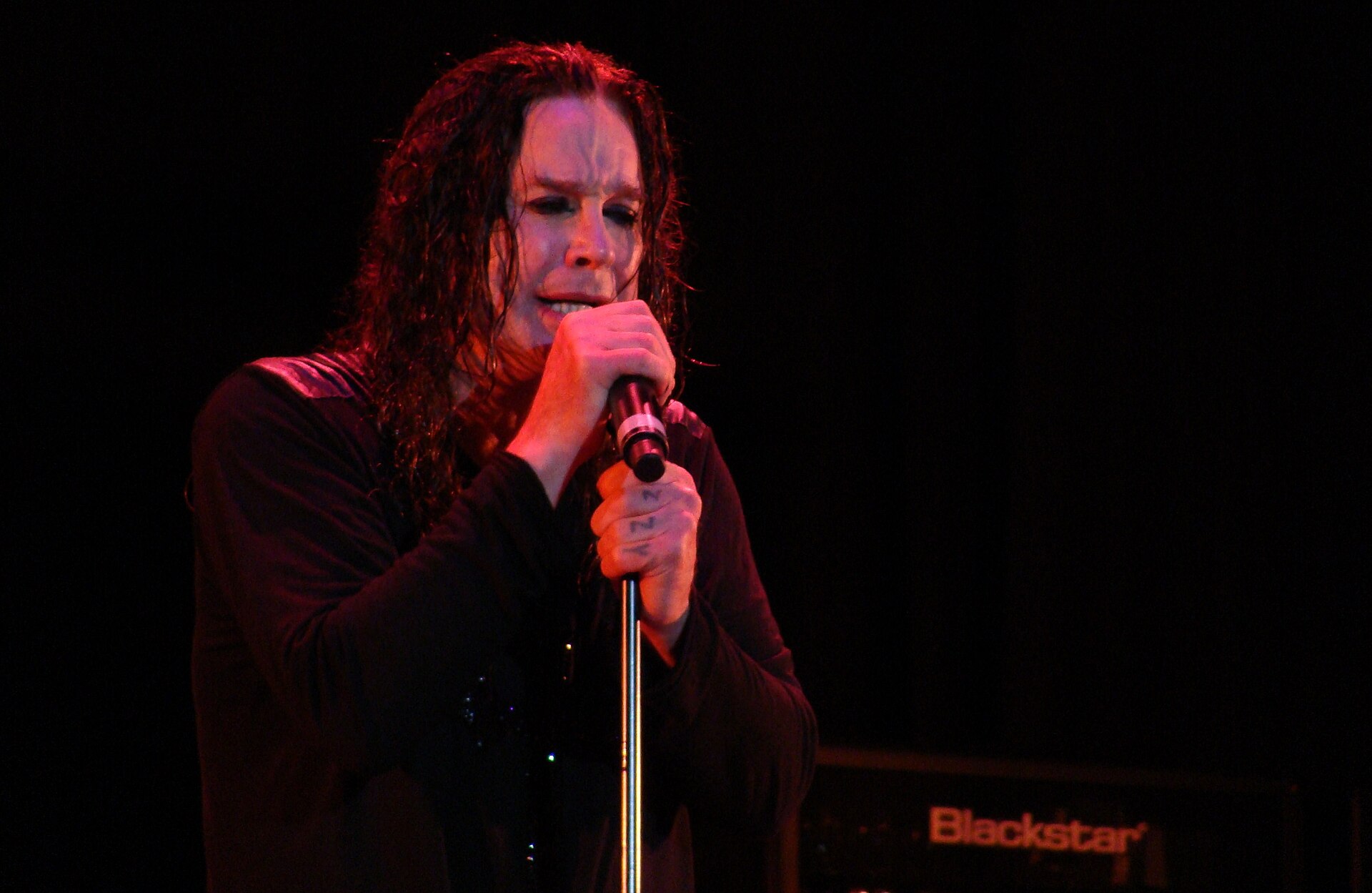
Фото: CrateCore
A man who bit the head off a live bat on stage also recorded some of the most influential metal albums in history. Ozzy Osbourne, the self-proclaimed Prince of Darkness, passed away on July 22, 2025, leaving behind a legacy that shaped the sound of heavy music for generations. Born in 1948 in Marston Green, Warwickshire, Osbourne became the unlikely face of a musical revolution when he co-founded Black Sabbath in 1968.
The first eight Black Sabbath albums featuring Osbourne's distinctive vocals became the blueprint for doom metal and heavy rock. Their self-titled 1970 debut and the seminal 'Paranoid' released the same year established the band's signature sound - downtuned guitars, occult themes, and Ozzy's haunting wail. 'Master of Reality' (1971) further cemented their status as pioneers, with its heavier riffs and darker atmosphere influencing countless musicians.
By 1979, Osbourne's substance abuse problems led to his dismissal from Black Sabbath, marking a turning point in his career. This separation birthed one of metal's most successful solo acts. Teaming with guitarist Randy Rhoads and bassist Bob Daisley, Ozzy created 'Blizzard of Ozz' (1980) - a record that proved his musical vision extended beyond Sabbath. The follow-up 'Diary of a Madman' (1981) showcased Rhoads' virtuosic playing and Osbourne's knack for theatrical, anthemic metal.
Osbourne's solo career under Epic Records produced thirteen studio albums, with his first seven achieving multi-platinum status in the US. His theatrical live shows, complete with shocking stunts and dark imagery, became legendary. Christian groups accused him of Satanism, while fans worshipped his unapologetic embrace of the macabre. This controversy only fueled his mythos as rock's ultimate antihero.
The 1997-2005 Black Sabbath reunion reminded the world of Osbourne's foundational role in metal. His return for the band's final album '13' (2013) and subsequent farewell tour brought his career full circle. Remarkably, Osbourne maintained his creative output until his death at 76, proving the Prince of Darkness was more than just a shock rock caricature.
For collectors, Osbourne's early Black Sabbath albums represent holy grails of heavy music. Original pressings of 'Paranoid' and the debut on Vertigo swirl labels are particularly sought-after. His solo work with Rhoads also commands attention, with the first 'Blizzard of Ozz' LP containing the controversial original bass tracks before they were re-recorded.
Osbourne's vocal style - equal parts vulnerable and menacing - became his trademark. From Sabbath's doom-laden hymns to solo hits like 'Crazy Train,' his voice carried an unmistakable character. This unique delivery influenced everyone from Metallica to Ghost, ensuring his impact would outlive him.
Beyond music, Osbourne became a cultural icon through reality TV and his unfiltered public persona. Yet his greatest achievement remains the musical legacy spanning from Birmingham's factories to stadiums worldwide. The dark imagery he popularized became metal's visual language, while his songs provided the soundtrack for generations of outsiders.
One year after his passing, Osbourne's influence shows no signs of fading. Record stores still stock multiple pressings of his classic albums, while new bands continue to emulate his sound. From the first ominous notes of 'Black Sabbath' to his final recordings, Ozzy Osbourne proved that darkness could create something beautiful - and permanently changed rock music in the process.