← Feed
Mac DeMarco's Tascam 244 and the Cassette Aesthetic
August 3, 2026
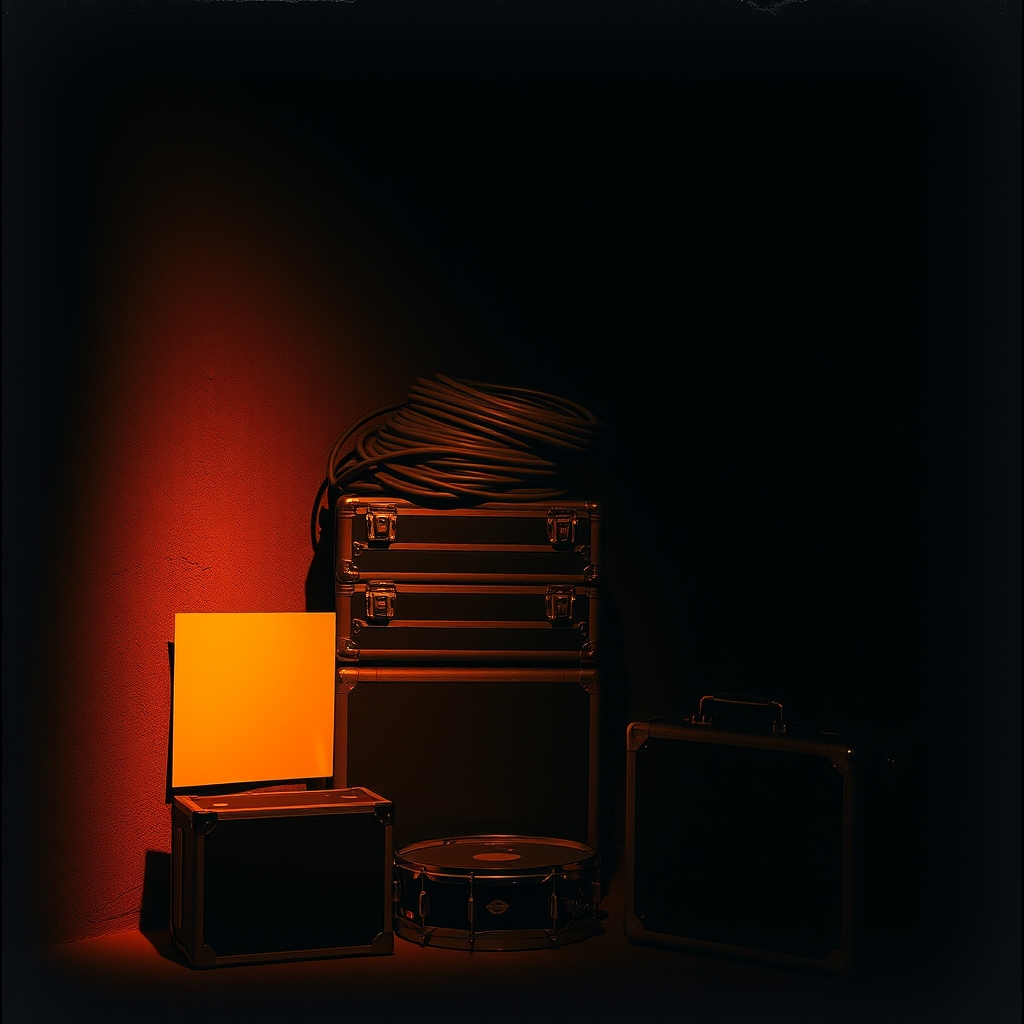
AI-generated illustration
A Tascam 244 cassette recorder sits in a Vancouver bedroom, its tape heads capturing guitar jangle and off-key vocals that would soon define a generation of lo-fi indie. Mac DeMarco, born on August 3, 1990, used this very machine to record his debut full-length album '2' in 2012, a record that turned technical limitation into a defining aesthetic. The four-track Portastudio wasn't a nostalgic prop but a practical tool, its compressed warmth and tape hiss becoming inseparable from the songs themselves. Fourteen years later, that bedroom recording remains a touchstone for collectors who prize the physical artifact over pristine digital files.
The sound of '2' arrived fully formed: sloppy, intimate, and unapologetically slack. DeMarco's guitar work drew partial inspiration from Jonathan Richman's deadpan simplicity, while his relaxed vocal delivery made confessional lyrics feel like overheard secrets. The album combined jangly guitar lines with frank, often absurdist storytelling that rejected the earnestness dominating indie rock at the time. Captured Tracks, the Brooklyn label that released the album, understood the format's appeal and issued it on cassette alongside vinyl, feeding a growing appetite for tangible lo-fi objects in an increasingly streaming-dominated world.
Before '2' introduced his sound to a wider audience, DeMarco had already established his cassette-era credentials with the mini-album 'Rock and Roll Night Club' earlier that same year. The release schedule alone signaled a restless creative pace, with both projects emerging within months of each other. DeMarco self-produced most of these early recordings, building tracks layer by layer on the Tascam without external engineers or studio clocks ticking. This DIY approach meant the recordings carried the physical imprint of their environment—room tone, chair creaks, the unmistakable character of a small apartment in Vancouver.
The leap from '2' to 2014's 'Salad Days' brought a geographical shift and a psychological one. DeMarco recorded the album in his Brooklyn apartment while navigating the exhaustion of constant touring, a stress that seeped into the music's bittersweet undertow. The title itself referenced the Shakespearean idiom for youthful inexperience, a self-aware nod to the transition he was living through. Musically, the album revealed a growing fascination with 1970s soft rock and pop, smoothing the rough edges of his earlier work without sacrificing the homemade feel that defined his catalog.
One track from 'Salad Days' would become inescapable. 'Chamber of Reflection' built its hypnotic melody on Seiji Seki's 'Word of a Flower,' transforming the source material into a synth-drenched meditation on isolation. The song's unexpected viral afterlife introduced DeMarco to audiences far beyond the indie circuit, yet its origins remained firmly analog. The CR-78 drum machine he used on some recordings provided the kind of mechanical, slightly off-kilter rhythm that software emulations never quite replicate, a detail collectors and gear enthusiasts obsess over when tracking down original pressings.
DeMarco's relationship with physical formats extended beyond the music itself. His early music videos were self-directed and self-edited, lo-fi visual counterparts to the cassette-tape sound. On stage, the absurdist persona took over: drumsticks shoved into nostrils, marshmallows roasted for the front row, a deadpan announcement of 'I'm Mac DeMarco' before launching into a set. This performance style made each show feel like an extension of the recordings—unpolished, unpredictable, and impossible to separate from the person behind them. He even crashed on fans' floors during early tours, collapsing the distance between artist and audience.
By 2017's 'This Old Dog,' the production had noticeably shifted. DeMarco moved away from pure lo-fi toward a cleaner sound, a change that mirrored the album's lyrical content. The songs dealt directly with his relationship with his father, a subject that demanded a more direct sonic approach. The cassette hiss receded, but the intimacy remained. Collectors noted the evolution across pressings: the early Captured Tracks cassettes of '2' and 'Another One' felt like artifacts from a specific moment, while the vinyl of 'This Old Dog' signaled a maturing artist who still valued the physical object.
The 2015 mini-album 'Another One' had already hinted at this evolution, with DeMarco incorporating synthesizers more prominently into his arrangements. The eight-track release demonstrated his growing confidence with texture, layering keys beneath his signature guitar work. His collection of vintage guitars, each with its own idiosyncratic character, fed into a sound that relied on physical instruments interacting with analog recording equipment. The Floyd Rose tremolo systems he favored produced the wobbly, 'drunken' pitch bends that became a sonic signature, a technique that loses its charm when digitally replicated.
The 2023 instrumental album 'Five Easy Hot Dogs' represents the logical endpoint of DeMarco's relationship with place and process. He recorded the entirely instrumental tracks during a road trip across North America, naming each piece after the city where it was captured. The project stripped away the persona and the lyrics, leaving only the environments and the recording equipment. For a collector, the album's concept reinforces what made those early cassettes special: the knowledge that a specific time and location are embedded in the physical grooves or magnetic tape, a document of a moment that streaming metadata can never convey.
Related stories

Cover of “Hysteria” by Def Leppard. Source: Cover Art Archive (coverartarchive.org)
The Making of Def Leppard's Hysteria: A $4.5 Million Rock Machine
August 3, 2026
AI-generated illustration
The 8-String Wall: Stephen Carpenter's Deftones Legacy
August 3, 2026
AI-generated illustration
The First Black Hippie’s Last Stand: Arthur Lee
August 3, 2026
AI-generated illustration
McCartney Names Wings, His Post-Beatles Rebirth
August 3, 2026
iOS — after Android
Android — in closed testing on Google Play
 Crate
Crate